Know what you want to make, but not which fabric is right for it?
Choose a project or property and discover which fabrics
could be suitable for your project.
Choose what you would like to make and get an instant overview
of suitable fabric types and what to consider when choosing.
Properties
Choose by Property
Sometimes the choice starts not with a garment, but with what a fabric
needs to do. Choose the property that matters most for your project.
Materials & Fibres
What is a fabric made from?
A fabric name does not always tell you what the fabric is made from.
Cotton, viscose and polyester are fibres or materials,
whereas jersey, satin and poplin describe the fabric construction
or appearance.
Discover how different fibres affect a fabric's properties,
uses and care.
Fibres are the raw materials used to make yarns.
Examples include cotton, viscose, polyester, linen and elastane.
Fabric
How does a fibre become a fabric?
Yarns can be woven or knitted, so the same
fibre can be used in different fabrics. Cotton, for example,
can be used to make jersey, poplin and waffle fabric.
Frequently asked questions
More about fibres & materials
Common questions about cotton, viscose, polyester, linen and elastane.
What is the difference between viscose and polyester?
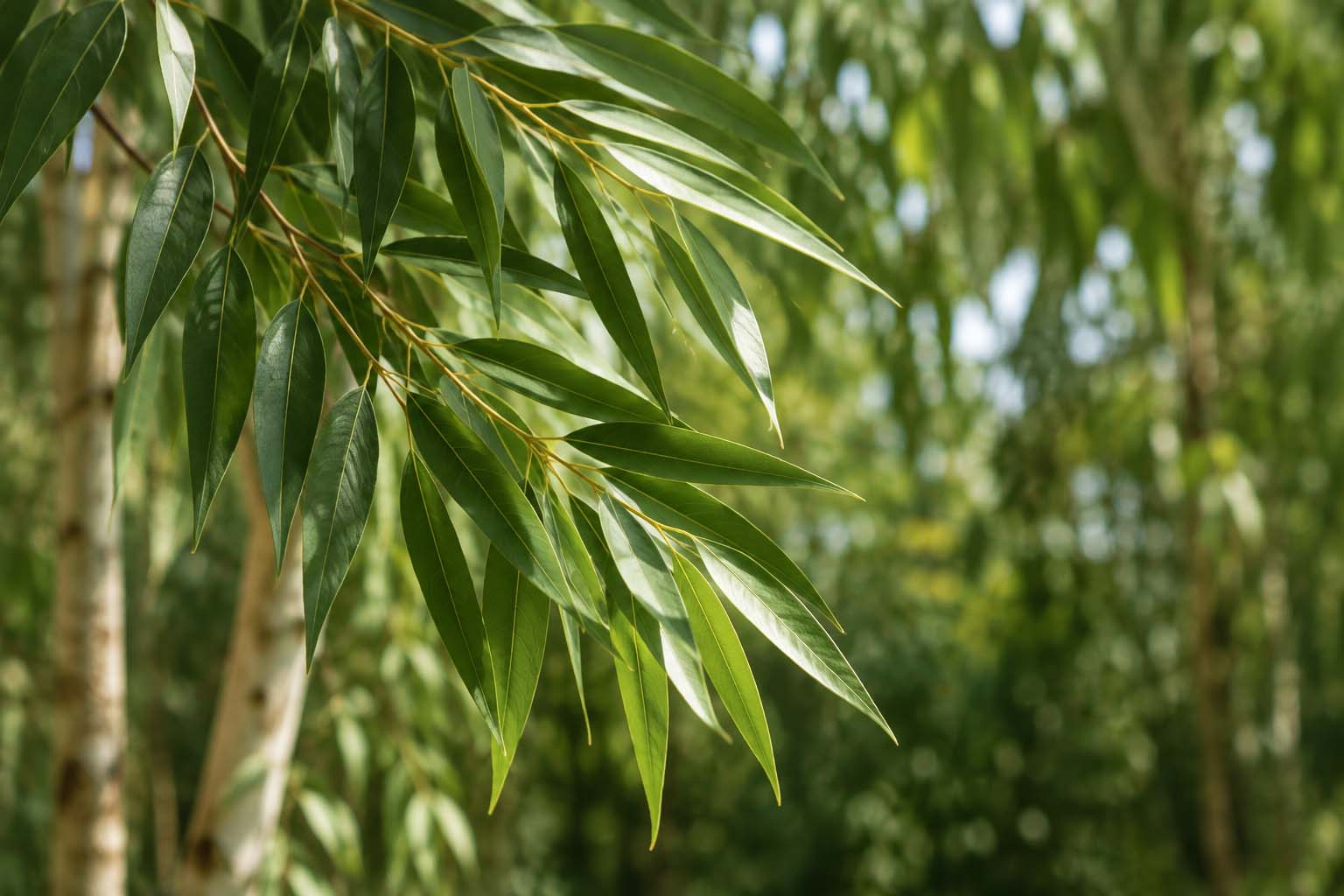
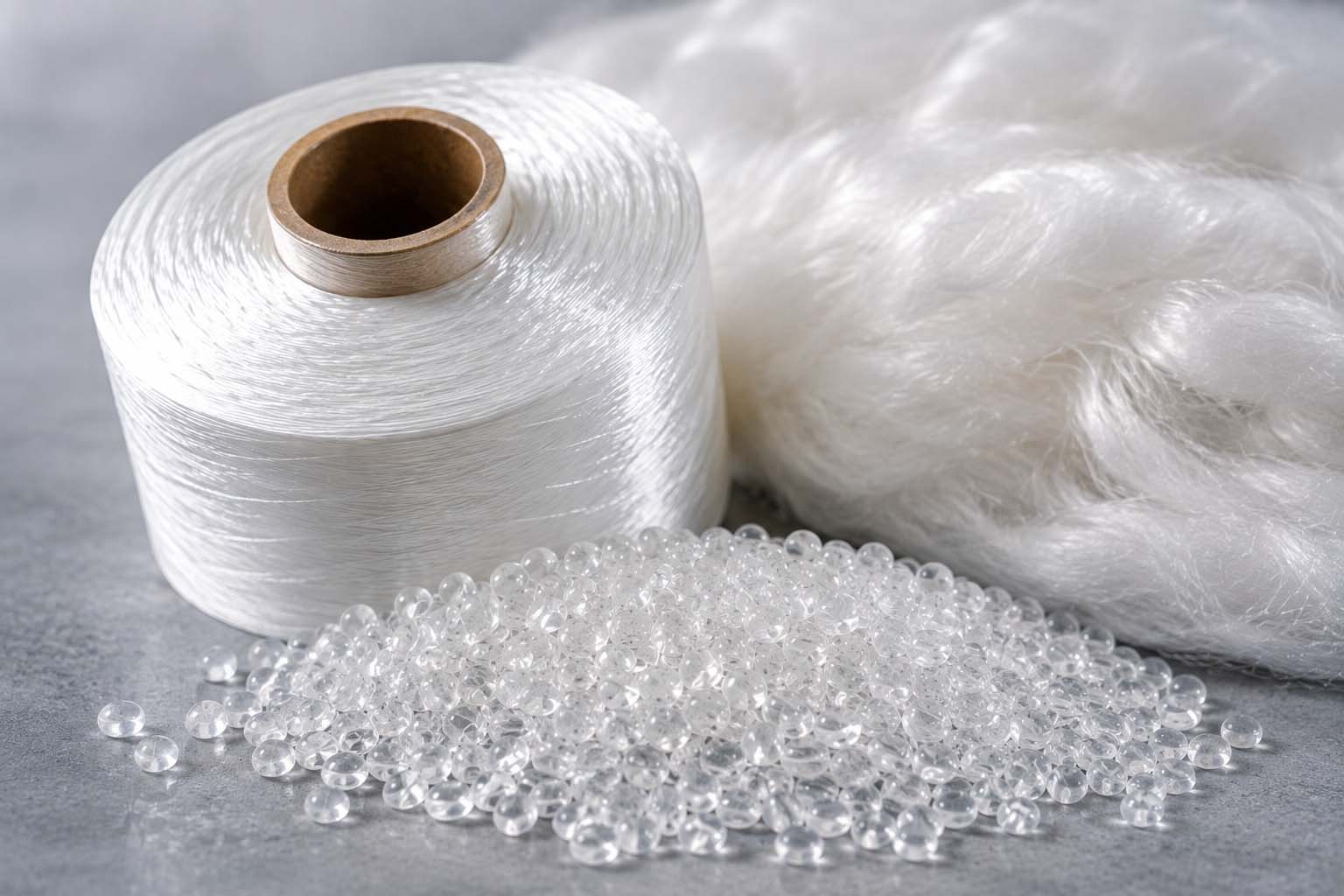
Viscose is a regenerated cellulose fibre, usually made from cellulose derived from wood pulp. Polyester is a synthetic fibre. Viscose often feels fluid and absorbent, while polyester is generally more shape-retaining, durable and quick-drying. The exact properties also depend on the fabric construction and quality.
What is the difference between cotton and viscose?
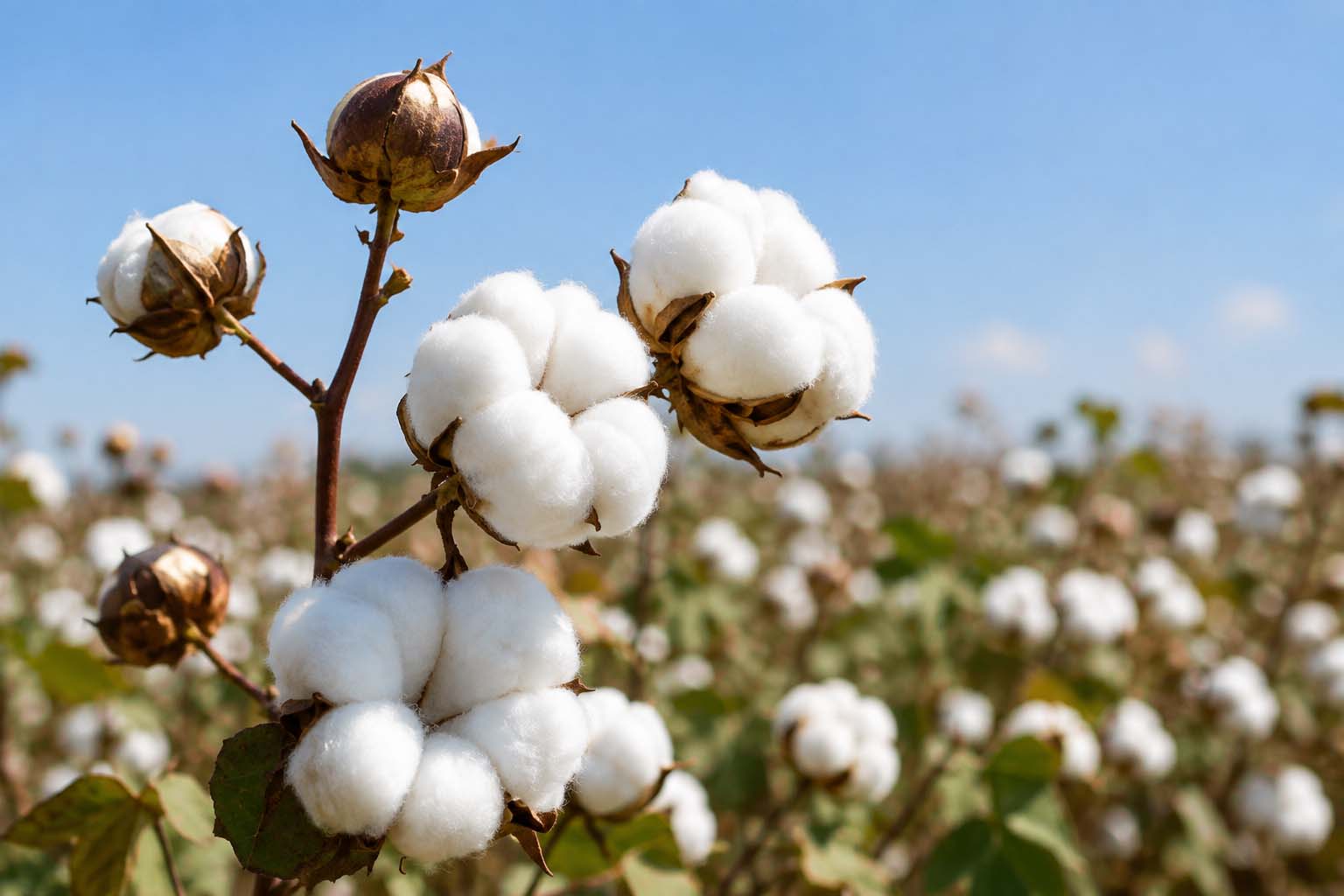
Cotton is a natural fibre obtained from the cotton plant. Viscose is made from cellulose of plant origin that is processed and regenerated into fibres. Both can feel soft and comfortable, but viscose often has a more fluid drape.
What is the difference between cotton and polyester?
Cotton is a natural fibre, while polyester is a synthetic fibre. Cotton is known for its absorbency and natural feel. Polyester absorbs less moisture, generally dries faster and is often durable and shape-retaining.
Is viscose a natural or synthetic fibre?
Viscose is made from natural cellulose, usually derived from wood pulp, but the cellulose is industrially processed and regenerated into fibres. It is therefore classified as a regenerated cellulose fibre rather than simply a natural or synthetic fibre.
What does elastane do in a fabric?
Elastane adds extra stretch and recovery to a fabric. Even a relatively small percentage can help a fabric move more easily and return more effectively towards its original shape.
Is Lycra the same as elastane?
Elastane is the generic name for the elastic fibre. LYCRA® is a brand name for elastane fibre. A fabric can therefore contain elastane without containing LYCRA® fibre.
Are linen and flax the same thing?
Not exactly. Flax is the plant from which the fibres are obtained. Linen is the textile material made from flax fibres. The terms are closely related, but they do not mean exactly the same thing.
Which fibre is the most breathable?
Breathability cannot be determined by fibre type alone. Cotton, linen and viscose can all feel airy and comfortable, but fabric weight, weave or knit construction and finishing also have a major influence on how breathable a fabric is.
Does the fibre determine whether a fabric stretches?
No. Fabric construction also plays an important role. A knitted fabric can stretch without containing elastane, while elastane can provide additional stretch and recovery. Always check the specifications of the individual fabric.
Can the same fibre be used to make different fabrics?
Yes. A fibre is the raw material, while the finished fabric is also determined by factors such as the yarn and whether it is woven or knitted. Cotton, for example, can be used to make jersey, poplin, denim and waffle fabric.
Want to learn more about fabrics?
Explore our Fabric Guide
Explore detailed information about fabric types, properties,
uses, sewing and care.
Pay particular attention to drape, stretch and weight. A fluid fabric creates movement, while a slightly firmer fabric gives the garment more shape.
Fabric Advice
Which fabrics are suitable for blouses and shirts?
For blouses, weight, drape and appearance are particularly important. The style determines whether the fabric should fall lightly or retain a little more shape.
Consider weight, structure, drape and stretch. For a fitted style, shape retention and recovery are important; summer or wide-leg trousers can be lighter and more fluid.
Fabric Advice
Which fabrics are suitable for jackets, coats and blazers?
The choice depends on the garment, season, warmth, weight and the look you want. Blazers generally benefit from fabrics with enough structure and good shape retention.
Softshell
Wind- and water-resistant for functional outer jackets and comfortable transitional jackets.
Consider the season, warmth, wind and water resistance, weight and structure. For blazers, also consider drape and shape retention. If the garment is lined, choose a suitable More about lining fabric →.
Fabric Advice
Which fabrics are suitable for baby clothes?
For baby clothes, softness, comfort, freedom of movement and easy care are important.
Jersey
Soft and stretchy for bodysuits, tops, trousers and comfortable basics.
Always check the composition, softness, stretch and care instructions for the individual product. Not every quality within a fabric group is automatically suitable for the same use.
Fabric Advice
Which fabrics are suitable for children's clothes?
Comfort, freedom of movement and easy care are often key considerations.
Jersey
For T-shirts, dresses, leggings and everyday clothing.
Which fabrics are suitable for sweatshirts & hoodies?
For sweatshirts and hoodies, comfort, softness and freedom of movement are important. The warmth and look you want determine which fabric is best for your project.
Popular fabrics for sweatshirts & hoodies
Sweatshirt Fabric
Soft and comfortable for classic sweatshirts, hoodies and joggers.
Consider thickness, stretch and warmth. Brushed sweatshirting is a good choice for a classic hoodie, while French terry gives a lighter, more fluid result.
Fabric Advice
Which fabrics are suitable for T-shirts & tops?
For T-shirts and tops, comfort, stretch and drape are important. The style determines whether you need a lightweight, close-fitting or more structured fabric.
Popular fabrics for T-shirts & tops
Jersey
Soft and stretchy for comfortable T-shirts and a wide range of tops.
Consider stretch, weight and drape. Jersey is a natural choice for a classic T-shirt, rib jersey works well for a close-fitting top, and a firmer knit is useful when more structure is required.
Fabric Advice
Which fabrics are suitable for pyjamas?
For nightwear, softness, comfort and freedom of movement are important. Choose the fabric according to the season and the style you want to make.
Popular fabrics for pyjamas
Jersey
Soft and stretchy for comfortable pyjamas and nightwear.
Choose primarily by softness, warmth and stretch. Fluid fabrics work well for lightweight nightwear, while heavier knits provide more warmth in colder months.
Fabric Advice
Which fabrics are suitable for skirts?
The right fabric for a skirt depends greatly on the style. A flowing skirt needs a different drape from a straight, fitted or structured skirt.
Popular fabrics for skirts
Viscose
Fluid and flowing for skirts with plenty of movement.
First decide how much structure or movement the skirt needs. A fluid fabric creates more movement, while denim or Ponte Roma gives the style more structure.
Fabric Advice
Which fabrics are suitable for bags & accessories?
For bags and accessories, strength, durability and appearance are important. The intended use determines how much structure the fabric needs.
Popular fabrics for bags & accessories
Canvas
Structured and hard-wearing for shoppers, bags, cases and practical accessories.
For bags, focus primarily on structure and durability. A bag that needs to hold its shape may require interfacing, while smaller accessories can also be made from softer qualities.
Property
Which fabrics are stretchy?
Stretch can come from the knitted construction, elastane, or a combination of both.
Jersey
Naturally stretchy thanks to its knitted loop construction.
Mutsaers Textiles uses cookies to improve your experience. By clicking “Accept”, you consent to the use of ALL the cookies. However you may visit Cookie Settings to provide a controlled consent.
Mutsaers TextilesAI Assistant
Search by:
How can I help? For example: I am looking for yellow jersey fabric.
 Custom fabrics
  Quantity discount
  Reorder easily