 Custom fabrics
  Quantity discount
  Reorder easily



Jersey
Jersey is a soft knitted fabric known for its comfort and stretch. Jersey does not have a fixed fibre composition: common varieties include cotton jersey, viscose jersey, polyester jersey, modal jersey and various fibre blends, with or without elastane. Weight, stretch and drape can vary considerably between qualities.
Shop the Collection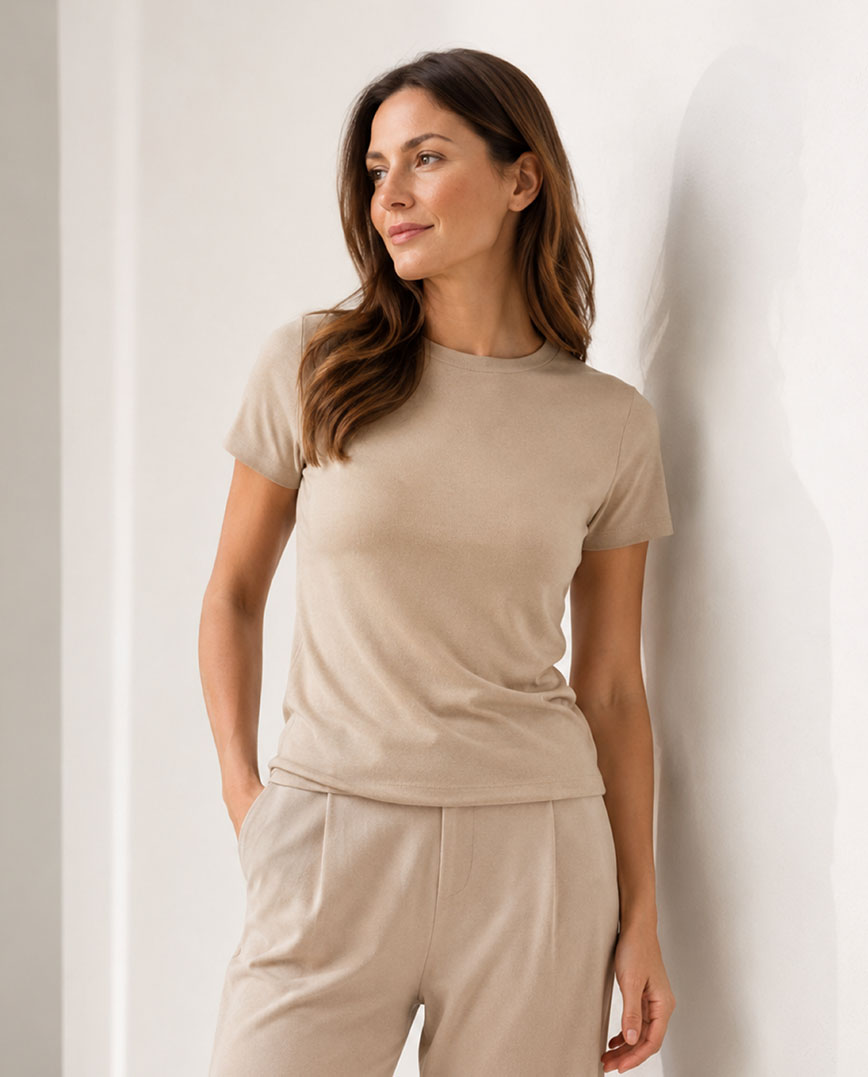
What is Jersey?
Jersey is a knitted fabric made from interlocking loops rather than threads crossing over and under each other as in woven fabric. This construction gives jersey its characteristic softness, flexibility and natural stretch.
Not all jersey is the same. Fibre composition, knit construction, weight and the presence of an elastic fibre determine how much a quality stretches, how it drapes and which garments it is best suited to.
Where does the name Jersey come from?
The name jersey refers to the island of Jersey, one of the Channel Islands. The name has been used for centuries for knitted fabrics associated with the island. Jersey knit comes from French and is related to the verbtricoter, meaning “to knit”. In UK English, however, jersey is the standard term used for this type of knitted fabric.
Possible Variations
Always check the individual product specifications for the exact composition, width, weight, stretch and care instructions.
What is Jersey used for?
Choosing the right quality: do not look at the elastane percentage alone. Jersey without elastane can also stretch because of its knitted construction. For fitted garments and styles that need to return to shape, the actual stretch and recovery of the chosen quality are important.
Care Instructions



Sewing & Choosing
Similar Fabrics
These knitted fabrics share similarities in comfort, stretch or use, but differ in structure, weight and appearance.
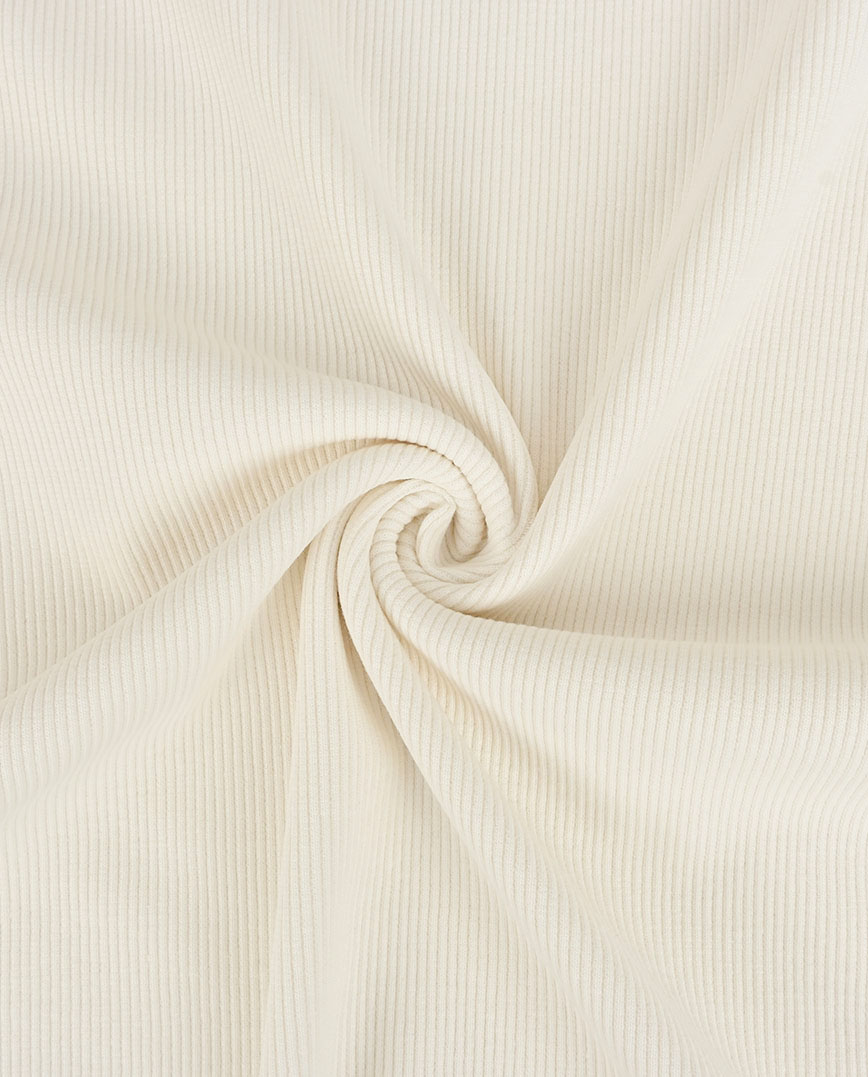
A stretchy knitted fabric with a distinct ribbed texture and often greater elasticity.

A heavier knitted fabric with loops on the reverse, ideal for sweatshirts and comfortable clothing.
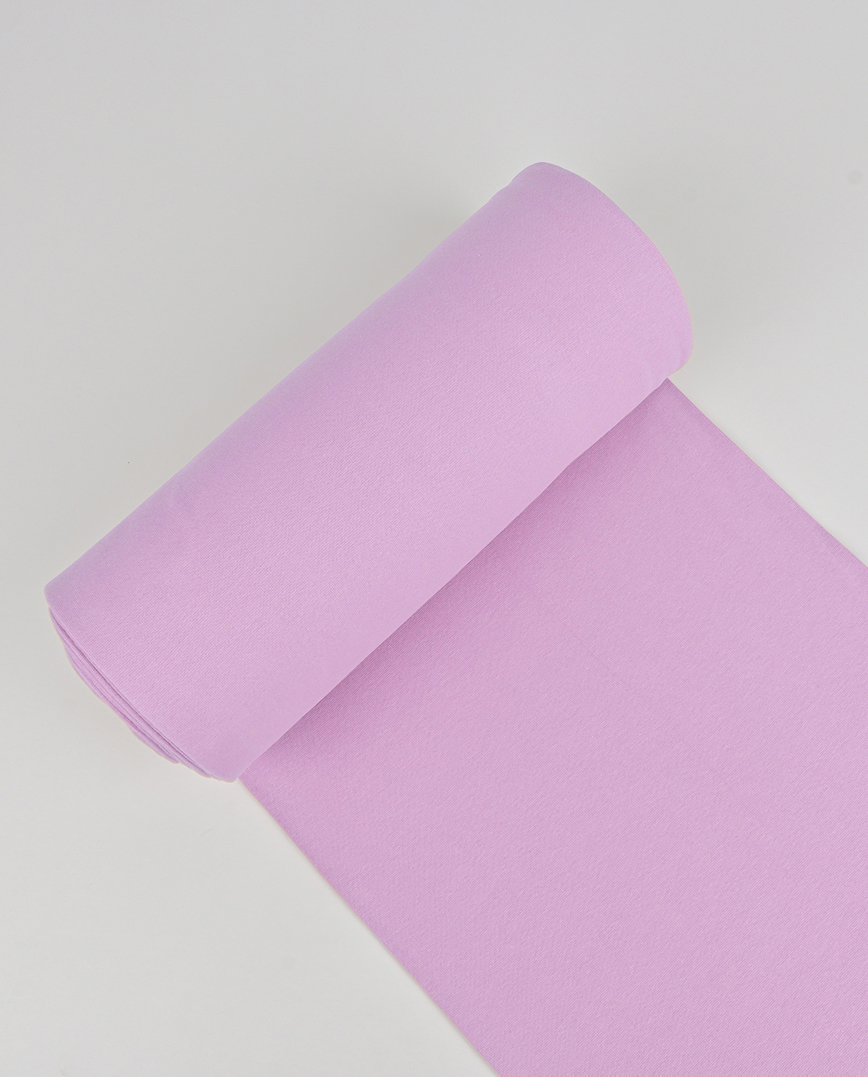
A stretchy ribbed knit mainly used for neckbands, cuffs and waistbands.
Jersey FAQs
Is Jersey the same as Tricot?
In the Dutch fabric trade, tricot is often used as another name for jersey. In UK English, jersey is the standard and most natural term for this family of soft knitted clothing fabrics.
Does Jersey need elastane to stretch?
No. Even 100% cotton jersey can stretch because the knitted loops can deform. Elastane can add extra stretch and generally improves recovery to the original shape.
What types of Jersey are there?
Jersey can be made from cotton, viscose, polyester, modal and various fibre blends. These qualities may be produced with or without elastane. Different knit constructions also exist, including single jersey, so the exact properties vary by product.
What is the difference between Jersey and French Terry?
Both are knitted fabrics, but French terry has distinctive loops on the reverse and is usually heavier. Jersey is generally smoother and lighter.
What is the difference between Jersey and Interlock?
Jersey and interlock are both knitted fabrics, but their construction differs. Single jersey usually has a distinct right and wrong side, is generally lighter and may curl at the cut edges. Interlock is a double-knit fabric with a smooth surface on both sides, usually feels fuller and more stable, and is generally less prone to curling. The exact properties always depend on the fibre composition and individual quality.
Looking to Buy Jersey?
Explore the available jersey qualities, colours, compositions and current product specifications.
Shop Jersey
