Linen is a woven fabric made from flax fibres, known for its breathable, natural and distinctive appearance. It is widely used for clothing, interiors and decorative applications. Weight, density, softness and finish can vary considerably between linen qualities.
Linen is a textile made from fibres obtained from the flax plant. The fibres are spun into yarn and then woven into fabric. Linen is known for its natural texture, breathable character and ability to absorb and release moisture.
Not all linen is the same. Weave density, yarn thickness, finishing and any fibre blends determine how soft, structured, smooth or rustic a particular quality feels.
Where does the name Linen come from?
The name linen has been associated with flax for centuries. The word can be traced through older Germanic forms and is probably related to the Latin linum, referring to flax as well as linen thread and textiles. The raw material is therefore literally embedded in the history of the name.
Variations by Quality
Possible Variations
Composition100% linen or a fibre blend
WeightFrom lightweight to heavy
SurfaceFrom smooth to rustic
DrapeFrom fluid to more structured
Important: linen can be used on its own or blended with fibres such as cotton, viscose or synthetics. Always check the individual product specifications for the exact composition, width, weight and care instructions.
Uses & Selection
What is Linen used for?
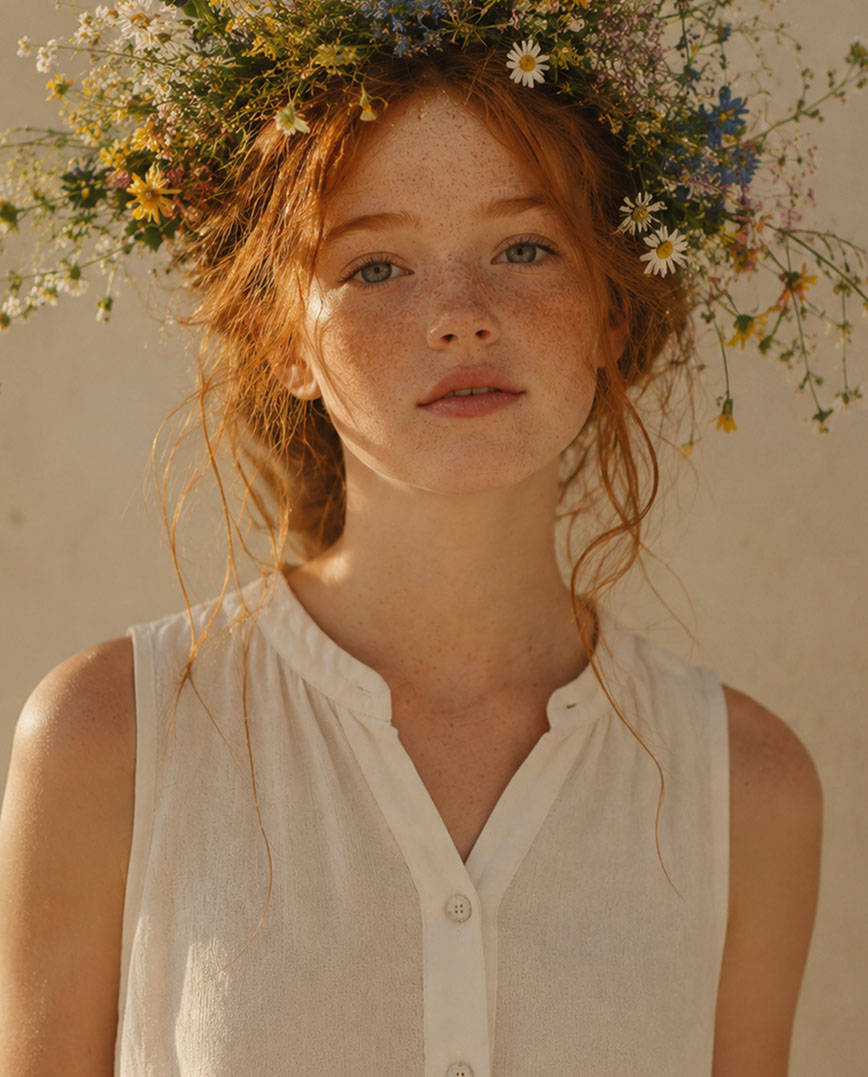
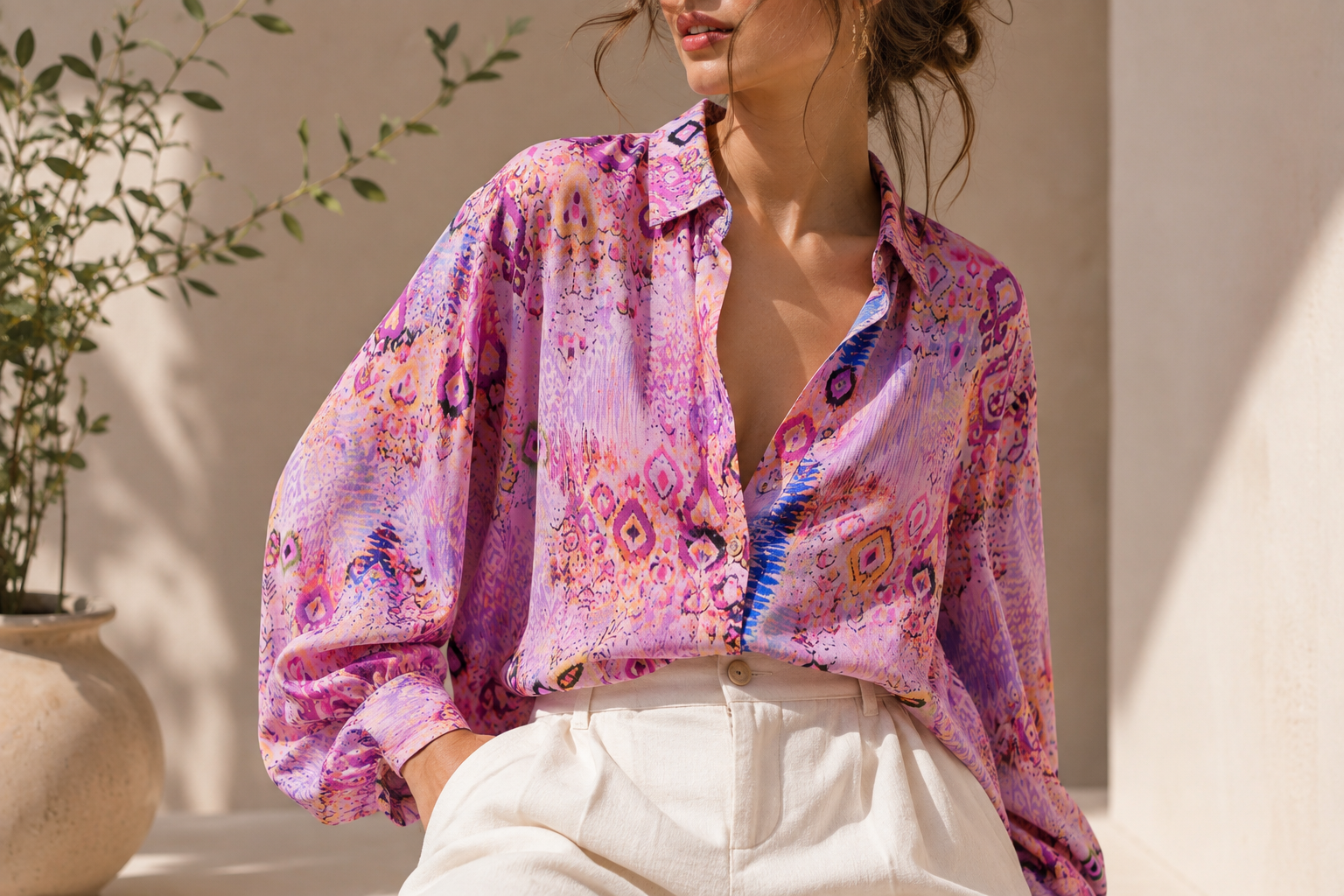
Blouses & ShirtsLighter qualities are suitable for breathable tops and shirts with a natural appearance.
Dresses, Skirts & TrousersDepending on weight and drape, linen can be used for both relaxed and more structured garments.
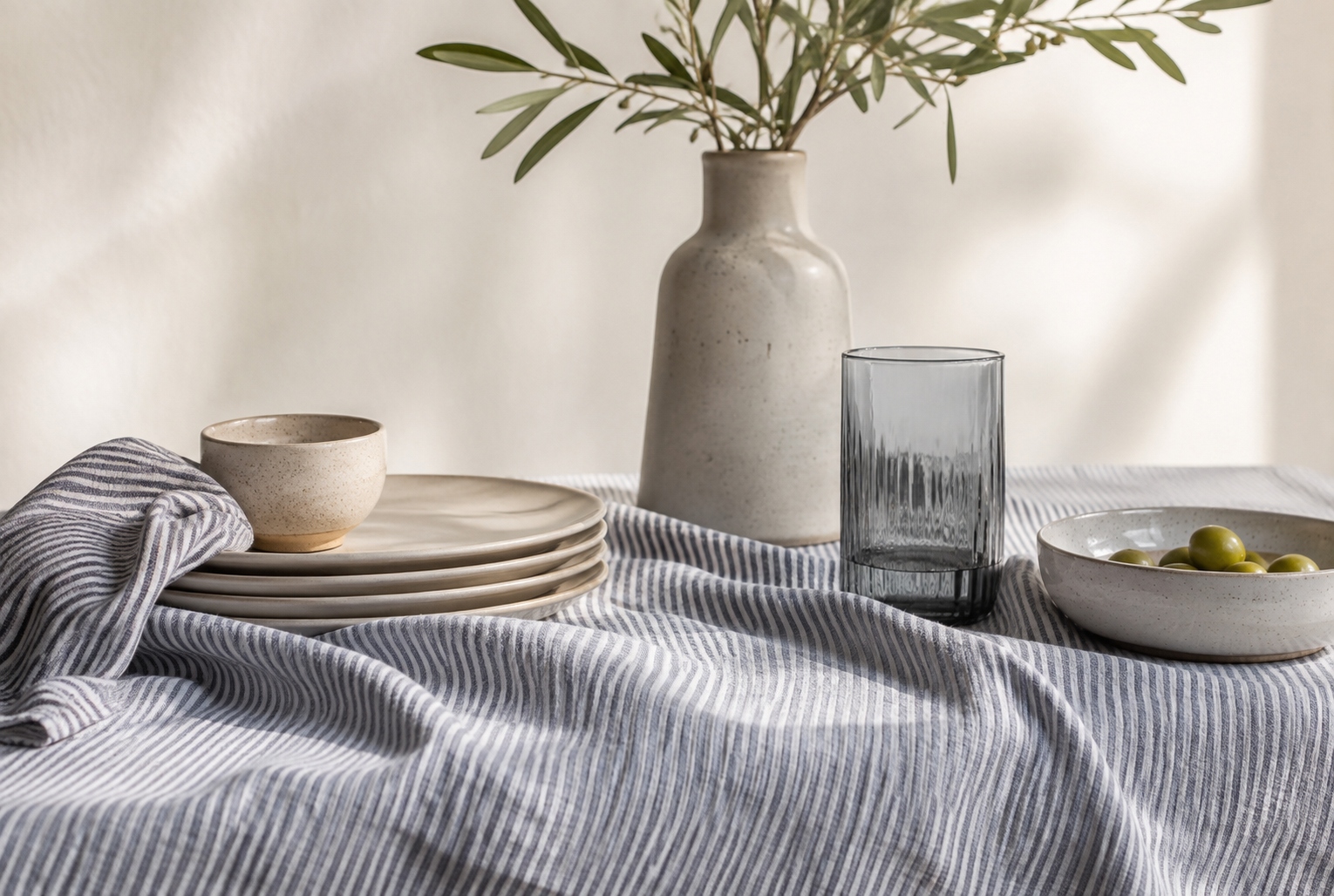
InteriorsMore substantial qualities can be used for curtains, table linen, cushions and other interior projects.
DecorationFor projects where a natural, matt and textured appearance is desired.
Choosing the right quality: pay particular attention to weight, density and drape. Lightweight linen works well for breathable clothing and curtains, while heavier qualities provide more body for trousers, interiors and decorative applications.
Care
Care Instructions
Pre-washingOften recommended before sewing for washable qualities
WashingWash according to the instructions for the chosen quality
DryingPreferably air dry, or follow the individual product instructions
BleachingOnly when permitted by the individual product instructions
Good to Know
Sewing & Choosing
ShrinkageLinen can shrink when washed. Pre-washing is therefore often recommended when the finished item will later be washed.
CuttingLay the fabric on the straight grain and use sharp cutting tools to minimise shifting and fraying.
SewingChoose the needle and stitch length according to the fabric weight and test the settings on an offcut.
FinishingLinen can fray, so finish cut edges appropriately for a durable result.
CreasingLinen naturally creases relatively easily. This is part of the fabric's characteristic appearance and varies by quality and fibre blend.
Choosing a QualityCompare composition, weight, weave density, drape and care requirements for each linen quality.
Alternatives
Similar Fabrics
Cotton and viscose can be used for some of the same applications as linen, but differ clearly in fibre, texture, drape and appearance.
A soft, fluid alternative, particularly suitable for clothing and applications where a more flowing drape is desired.
Frequently Asked Questions
Linen FAQs
Is Linen always 100% Flax?
No. Pure linen is made from flax fibres, but linen blends with cotton, viscose or synthetic fibres are also available.
Does Linen crease easily?
Linen naturally has relatively little elasticity and therefore creases easily. This characteristic creased look is often appreciated as part of the fabric's appearance.
Should Linen be pre-washed?
For many washable linen qualities, pre-washing is recommended when the finished item will later be washed, as linen can shrink. Always follow the individual product care instructions.
Is Linen suitable for summer clothing?
Yes. Lighter linen qualities are widely used for summer clothing because of their breathable character and moisture absorption. Weight and weave density determine how cool and fluid a particular quality feels.
Collection
Looking to Buy Linen?
Explore the available linen qualities, colours and current product specifications.
Mutsaers Textiles uses cookies to improve your experience. By clicking “Accept”, you consent to the use of ALL the cookies. However you may visit Cookie Settings to provide a controlled consent.
Mutsaers TextilesAI Assistant
Search by:
How can I help? For example: I am looking for yellow jersey fabric.
 Custom fabrics
  Quantity discount
  Reorder easily