 Custom fabrics
  Quantity discount
  Reorder easily



Elastane
Elastane is a synthetic elastic fibre mainly used to add stretch and recovery to fabrics. It is usually blended in a relatively small percentage with other fibres such as cotton, polyester, viscose or polyamide. This can make a fabric more comfortable to move in and help it return more effectively towards its original shape after stretching.
Shop stretch fabrics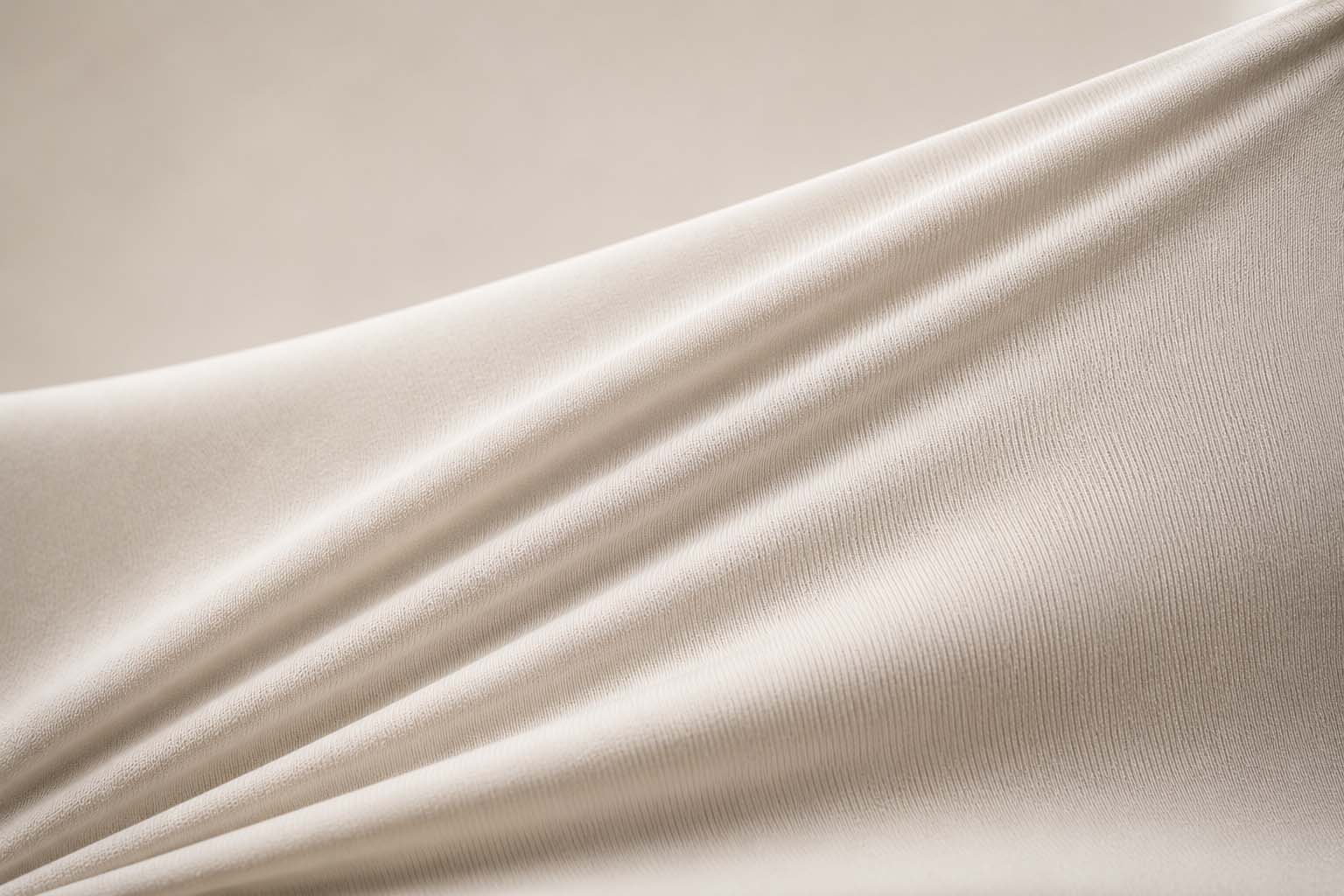
What is elastane?
Elastane is a synthetic fibre with very high elasticity. The fibre can be stretched considerably and then largely return towards its original length. Internationally, elastane is also commonly known as spandex.
Lycra is not a generic fibre name, but a well-known brand name for elastane. In the textile trade, the terms elastane, spandex and Lycra are often used interchangeably, although only elastane and spandex are generic terms.
Why is elastane added to fabrics?
Elastane is usually combined with other fibres to provide greater freedom of movement, a better fit and recovery. Even a relatively small percentage can make a noticeable difference to comfort and stretch, depending on the fabric construction and yarn used.
What is the difference between 2-way and 4-way stretch?
2-way stretch means that a fabric stretches mainly in one direction, usually across the width of the fabric. 4-way stretch means that a fabric can stretch both across the width and along the length. This provides extra freedom of movement and is common in sportswear, leggings and close-fitting garments.
The terms 2-way and 4-way describe the direction of stretch in the fabric, not a property of elastane as a fibre by itself. The knit or weave construction, the yarns used, the elastane percentage and the finish all influence how much and in which direction a fabric stretches.
Possible variations
What is elastane used for?
Care instructions



Sewing and selecting
Common fibre combinations
Elastane is almost always blended with other fibres. Cotton, polyester and polyamide are common base fibres in stretch fabrics, and each creates a different feel and set of performance properties.
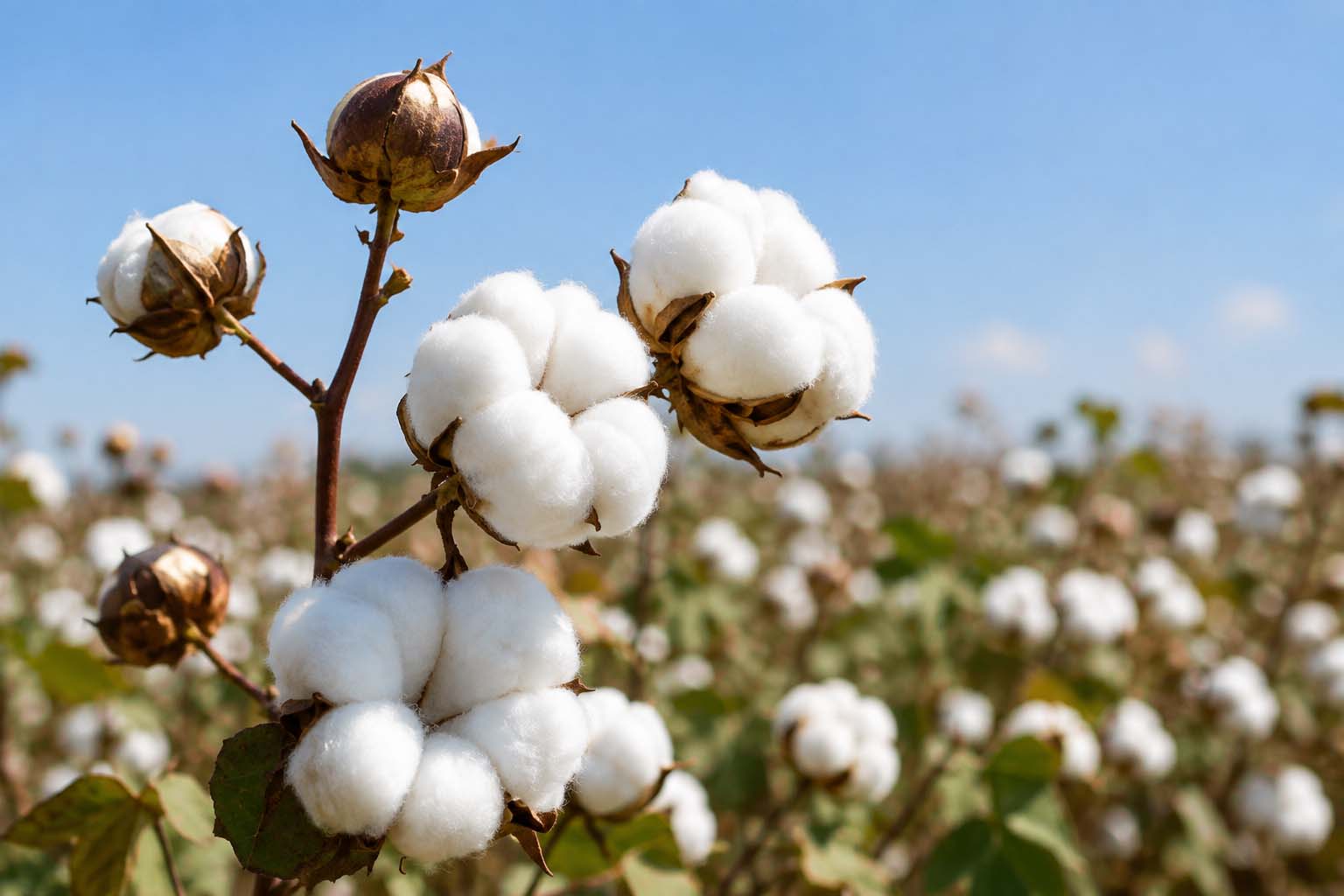
Cotton with elastane is widely used for comfortable stretch garments such as jersey, trousers and close-fitting basics.
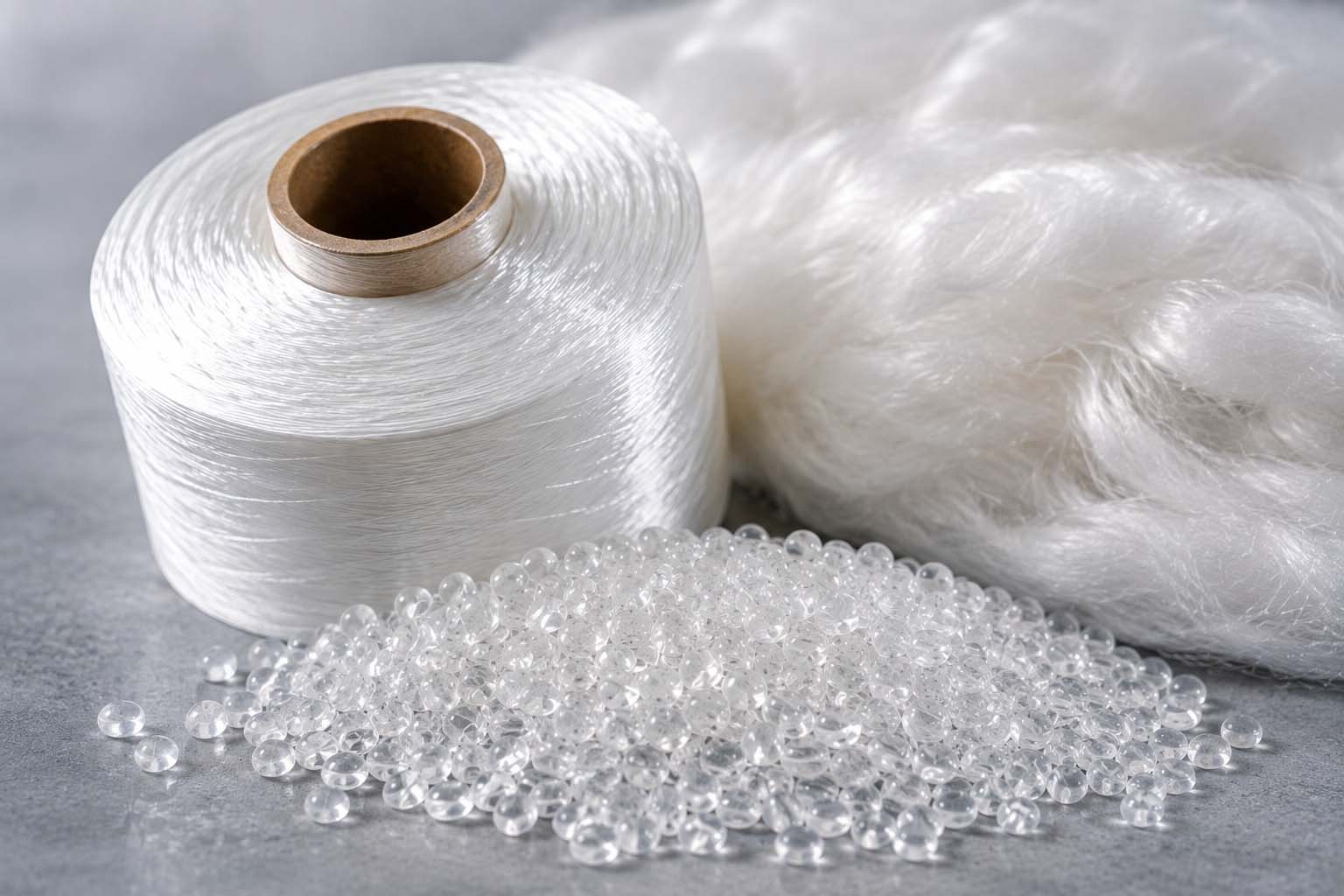
Polyester with elastane is common in sports, fashion and functional fabrics where shape retention and stretch are combined.
Elastane in brief
What is elastane?
Elastane is a synthetic elastic fibre added to fabrics to increase stretch and recovery.
Is Lycra the same as elastane?
Lycra is a brand name for elastane. Elastane and spandex are generic fibre names; Lycra refers to a specific brand.
How much elastane does a fabric need?
This depends on the desired stretch, fabric construction and application. A small percentage can already provide noticeable stretch, but the percentage alone does not determine the overall stretch.
What is the difference between 2-way and 4-way stretch?
2-way stretch means that a fabric stretches mainly in one direction. 4-way stretch means the fabric can stretch both across the width and along the length. Always check the product specifications because direction of stretch and stretch percentage can vary by fabric.
Can elastane withstand heat?
Elastane is relatively sensitive to high temperatures. Always follow the care instructions for the specific fabric and be careful with high-temperature drying or ironing.
Does every fabric with elastane stretch the same amount?
No. The actual stretch is also determined by the base fibre, fabric construction, the direction of stretch, elastane percentage and finish.

