 Custom fabrics
  Quantity discount
  Reorder easily



Cotton
Cotton is a natural plant-based fibre obtained from the cotton plant. The fibre is used worldwide as a raw material for a wide variety of woven and knitted fabrics. Cotton is known for its soft feel, good absorbency and versatility. The final properties of a cotton fabric are also strongly influenced by the yarn, fabric construction, weight and finish.
View the collection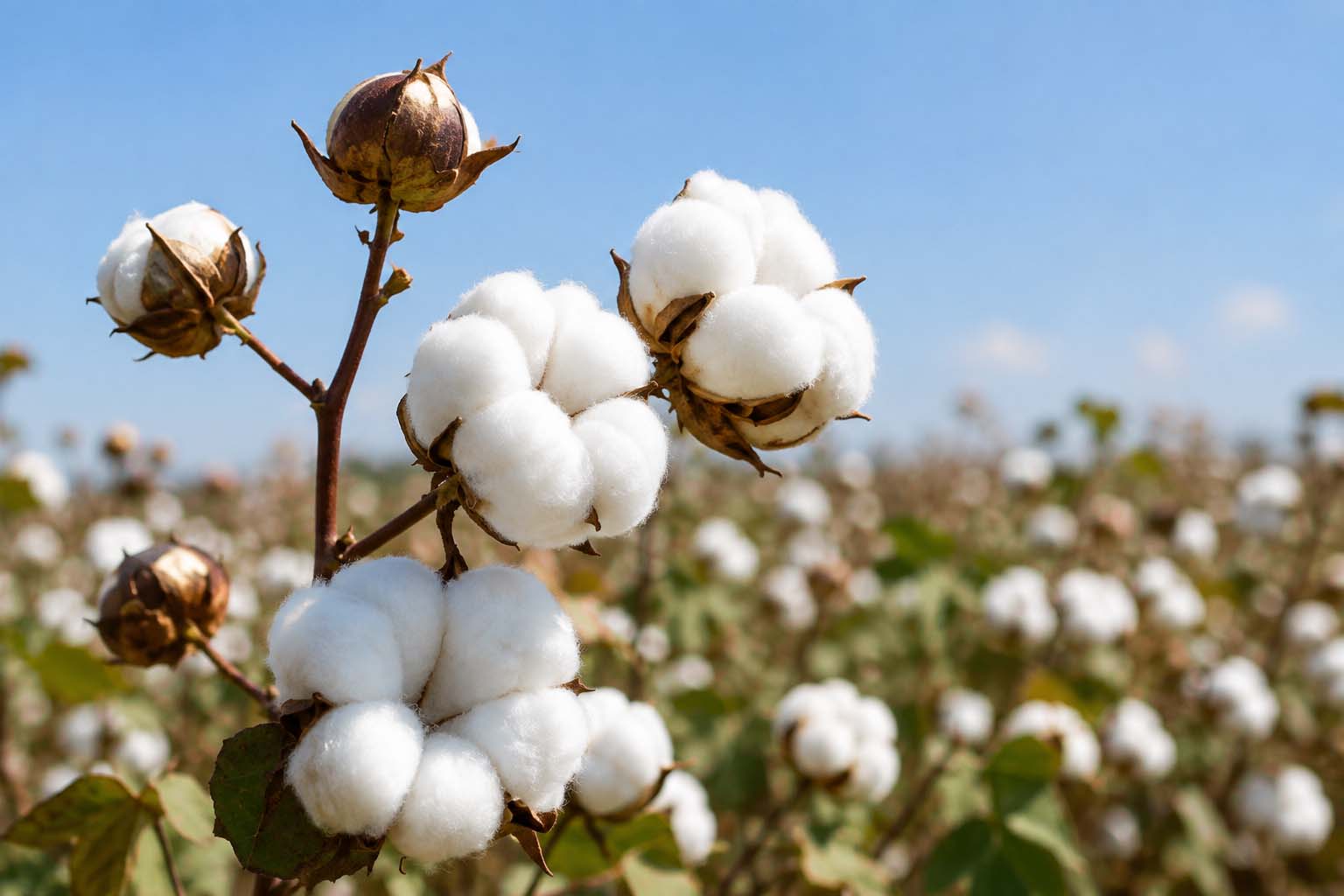
What is cotton?
Cotton is a natural cellulose fibre that grows around the seeds of the cotton plant. After harvesting, the fibres are separated from the seeds, cleaned and processed into yarn. These yarns can then be woven or knitted into a wide variety of fabrics.
The term cotton therefore refers to the fibre used, but does not automatically describe the finished fabric. Cotton jersey, canvas, poplin, towelling or double gauze can all be made from cotton, while their structure, weight, stretch, drape and applications can differ considerably.
Why is cotton so versatile?
Cottonvezels kunnen op verschillende manieren worden gesponnen, geweven, gebreid en afgewerkt. This means cotton can be used for both lightweight, fluid fabrics and firmer, more substantial qualities. Blends with other fibres are also common to modify or enhance specific properties.
Possible variations
What is cotton used for?
Care instructions



Sewing and selecting
Comparable fibres
Linen, viscose and polyester are often used as alternatives to cotton or blended with it. Each has different properties in terms of feel, absorbency, creasing, care, strength and appearance.
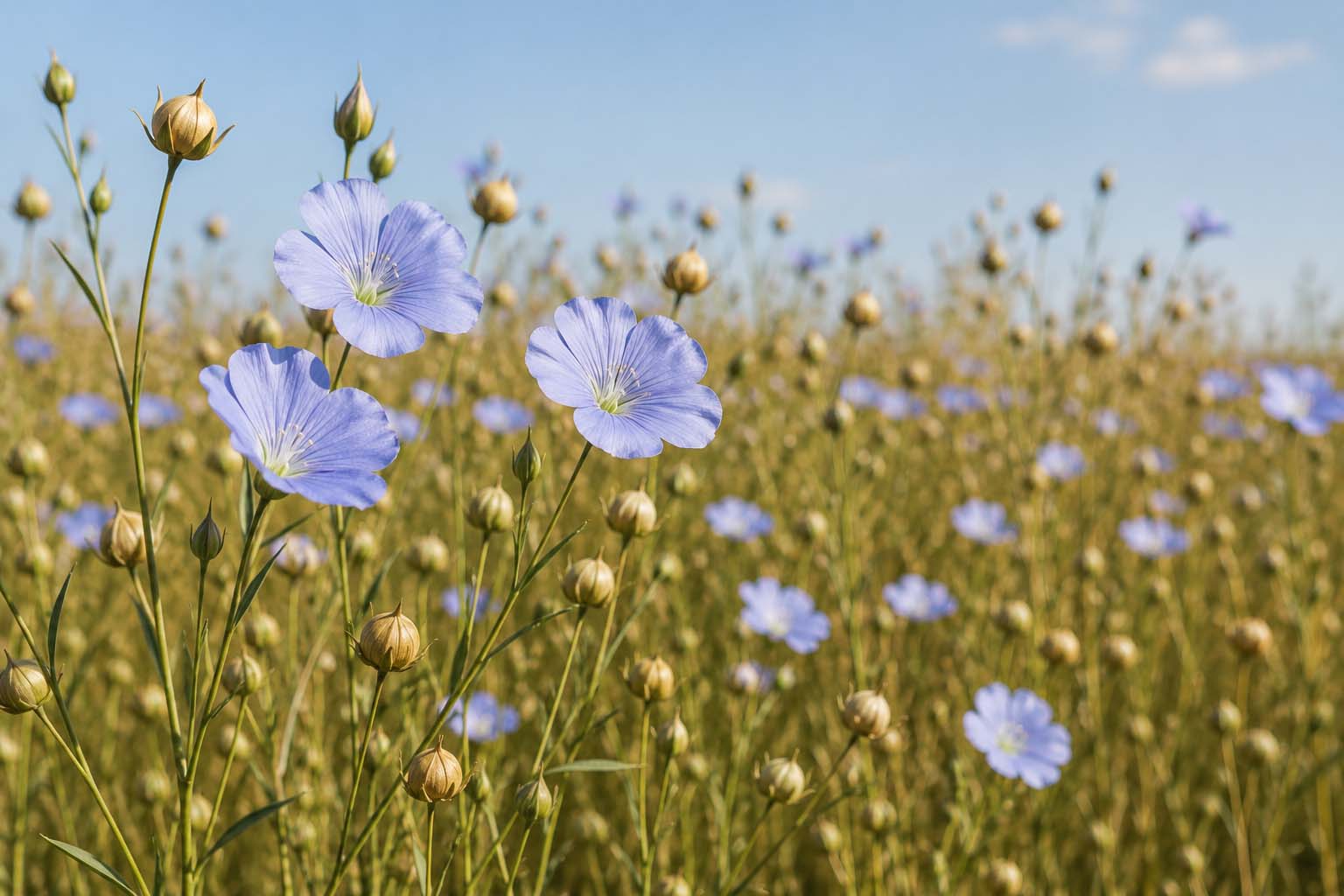
Natural plant-based fibre with a characteristic appearance and an often cooler, drier feel than cotton.
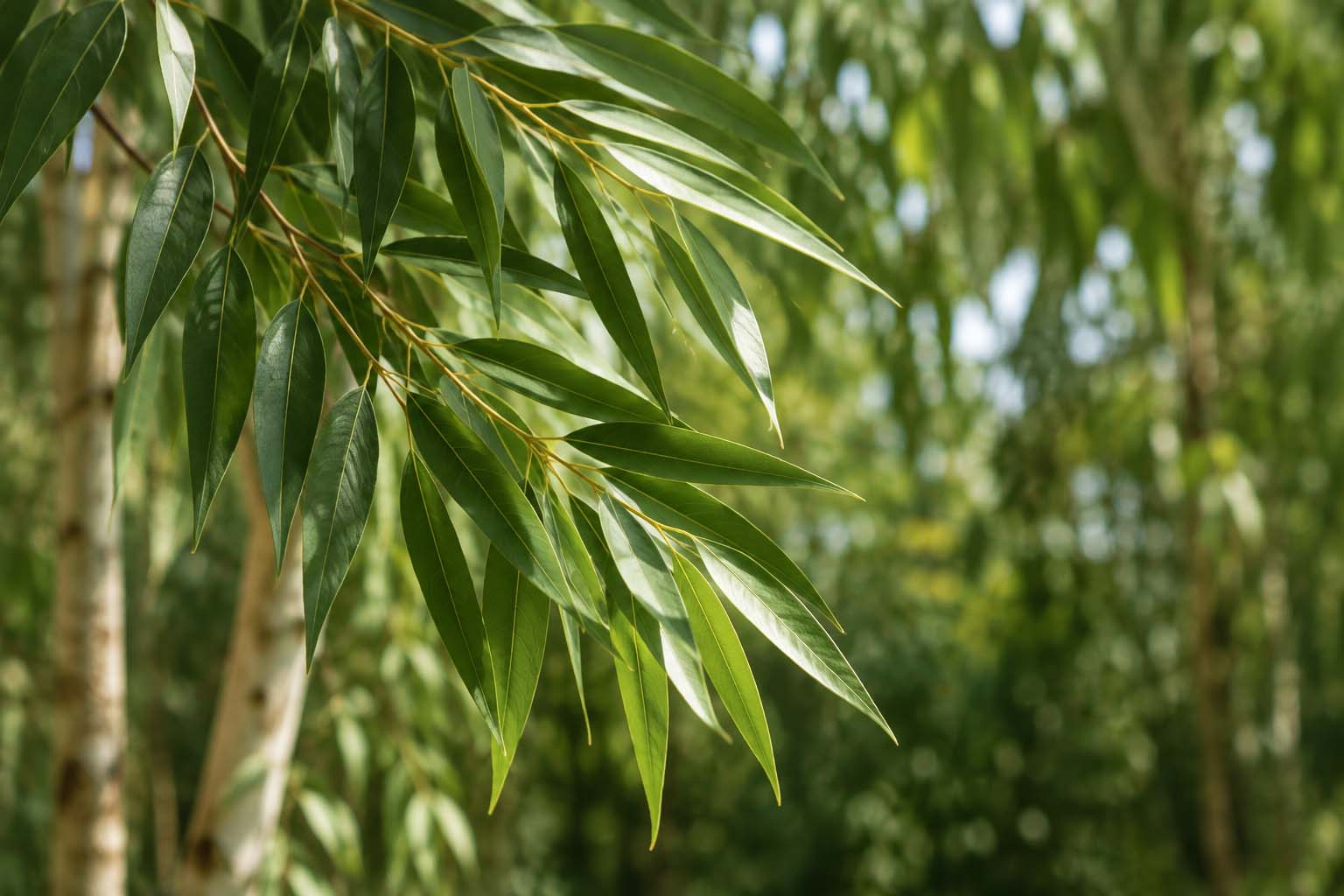
Cellulose fibre often chosen for soft, fluid fabrics with an attractive drape.
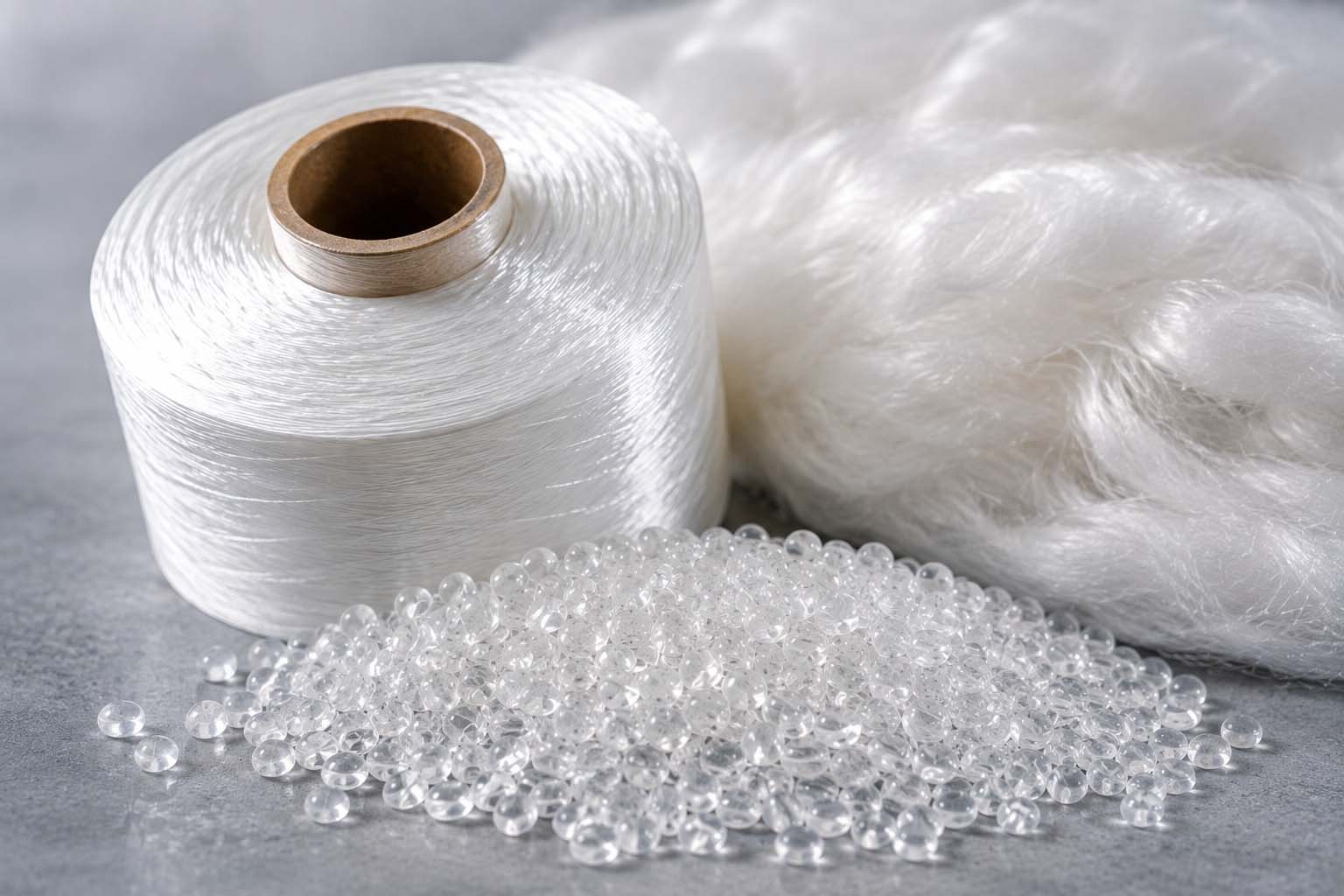
Synthetic fibre often used for its strength, shape retention and easy-care properties, both on its own and in blends.
Cotton in brief
What is cotton?
Cotton is a natural plant-based cellulose fibre that grows around the seeds of the cotton plant and is processed into yarns and then fabrics.
Is cotton a fabric?
Strictly speaking, cotton is a fibre rather than a specific type of fabric. Many different woven and knitted fabrics can be made from cotton.
Does cotton shrink?
Cotton fabrics can shrink, especially during the first wash. The amount of shrinkage depends on the construction, finish and treatment of the individual product.
What is cotton used for?
Cotton is used for a very wide range of fabrics for clothing, baby items, household textiles, bath textiles and interior applications.
Is 100% cotton always the same?
No. Two 100% cotton fabrics can differ considerably because of the yarn, woven or knitted construction, weight, density and finish.
Is cotton breathable?
Cotton is often considered breathable, but the actual air permeability depends greatly on how densely or openly the fabric is woven or knitted.
Buy cotton fabrics?
Explore our available cotton fabrics, colours, textures and current product specifications.
View cotton fabrics
