 Custom fabrics
  Quantity discount
  Reorder easily



Woven Viscose
Woven viscose is a soft, fluid fabric made with regenerated cellulose fibres. It is widely used for dresses, blouses, skirts, trousers, tops and other garments where comfort and a flowing drape are desired. Weight, construction, composition, stretch, transparency and finish can vary by quality.
Shop the Collection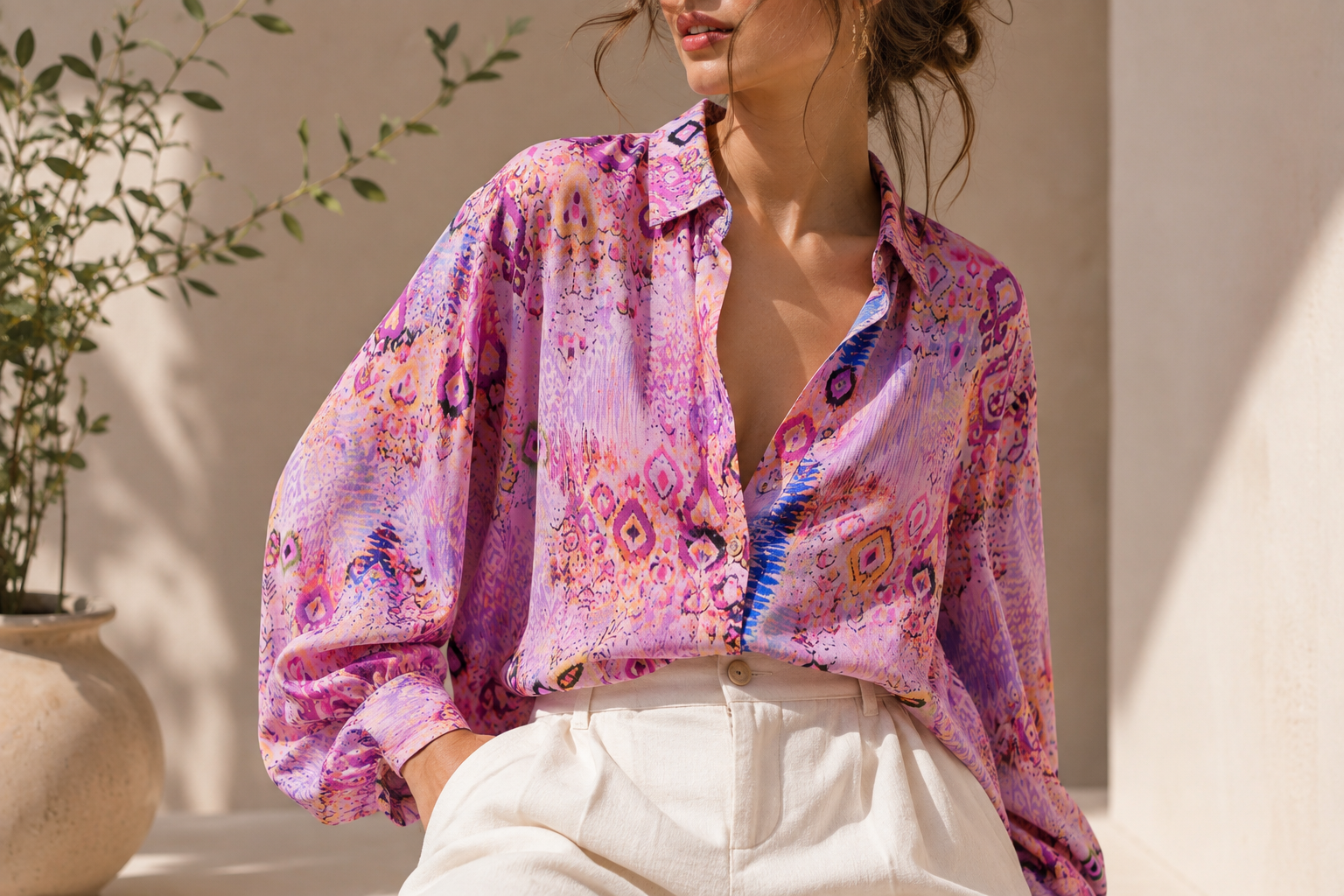
What is Viscose?
Viscose is a textile fibre made from regenerated cellulose. Cellulose from wood pulp is commonly used as the raw material. During production, the cellulose is dissolved and then regenerated into fibres, which can be made into yarns and ultimately fabrics.
The term viscose primarily describes the fibre, not one specific fabric construction. Viscose fibres can be used to make different fabrics, including woven viscose and viscose jersey. As a result, viscose fabrics can vary considerably in thickness, surface, stretch, transparency and drape.
Viscose is therefore the fibre, not the fabric construction. Woven viscose is often soft and fluid and generally has little natural stretch. Viscose jersey is knitted, making it stretchier and very supple. When elastane is added, it can provide additional stretch and recovery. Exact properties always vary by product.
Is Viscose a Natural Fabric?
Viscose is made from cellulose of plant origin, but the cellulose is dissolved and regenerated into fibres during production. Viscose is therefore classified as a regenerated cellulose fibre, rather than a natural fibre such as cotton or linen.
Possible Variations
What is Woven Viscose used for?
Care Instructions



Sewing & Choosing
Similar Fabrics
Satin, jersey and linen can be alternatives to woven viscose depending on the project. They differ considerably in construction, stretch, drape, surface and care, so the best choice depends on the garment you want to make.
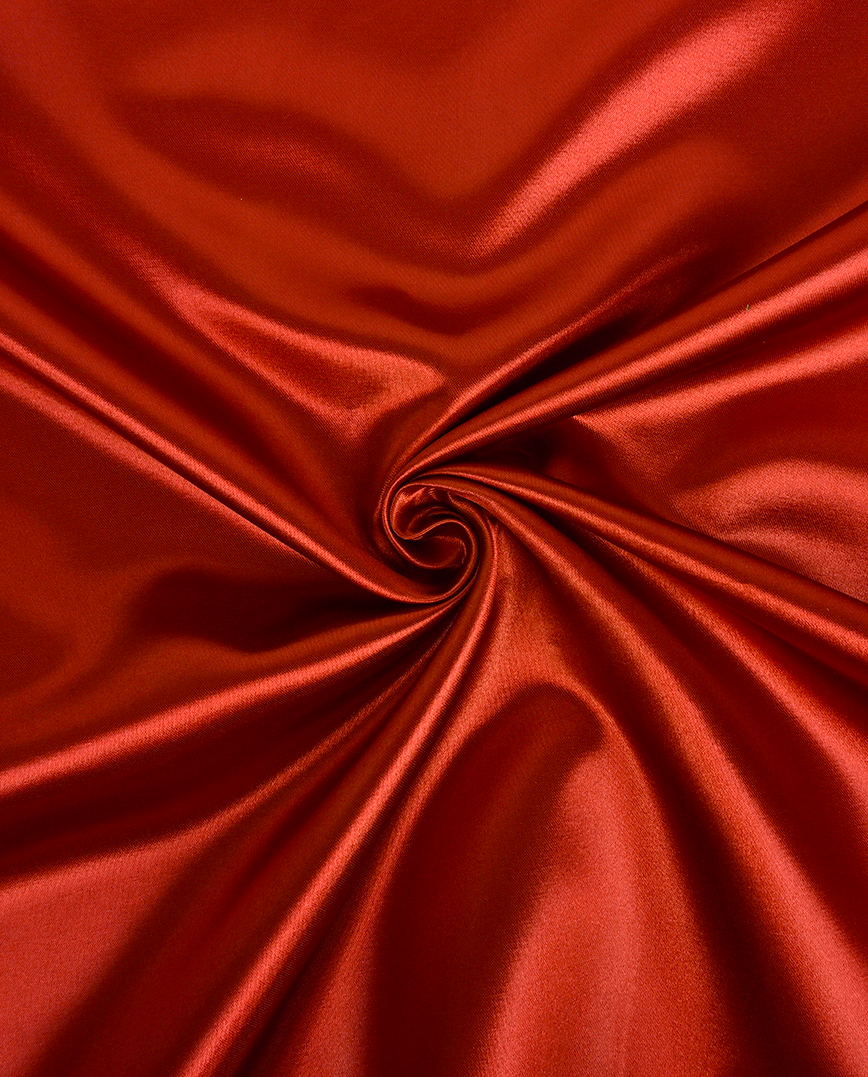
An alternative for dresses and blouses when a smoother surface and more pronounced sheen are desired.
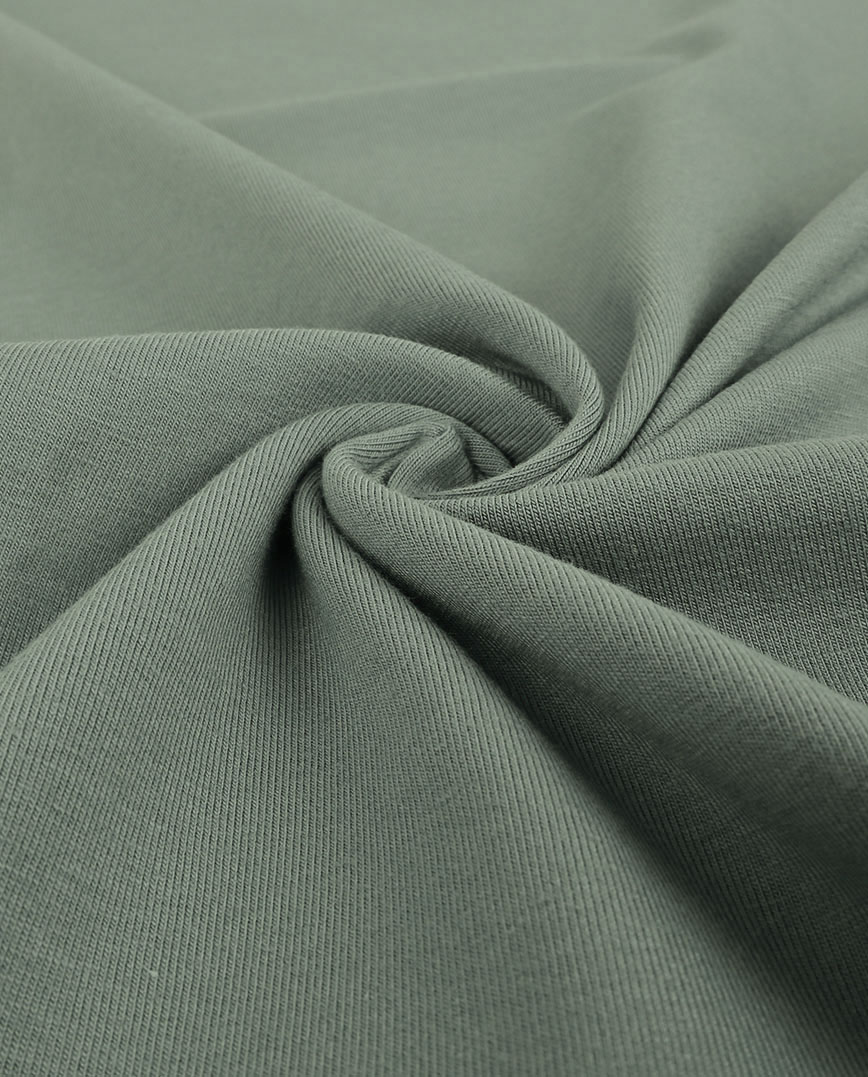
A stretch alternative for comfortable and closer-fitting garments, depending on composition and quality.
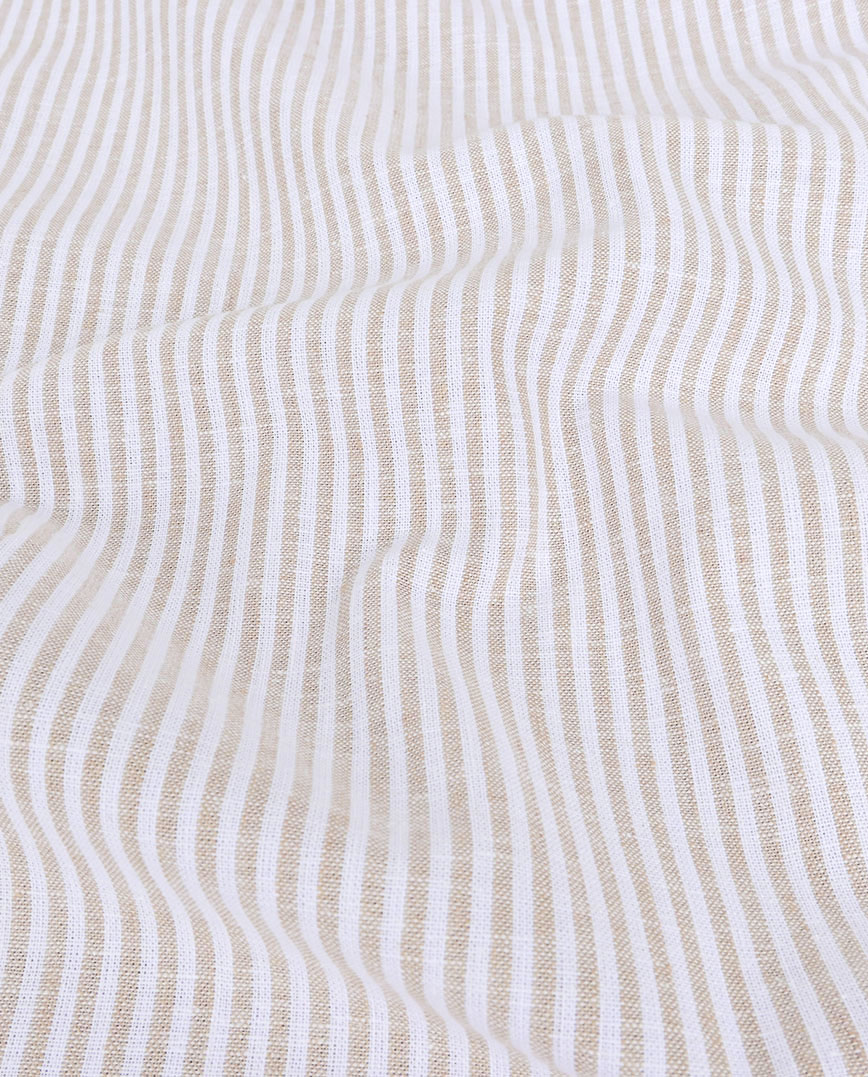
A natural, breathable alternative for summer clothing when more structure and a drier handle are desired.
Woven Viscose FAQs
What is Viscose?
Viscose is a regenerated cellulose fibre. Different fabrics can be made from this fibre, so the name viscose does not automatically tell you whether a fabric is woven, knitted, lightweight, heavyweight or stretchy.
What is Viscose Jersey?
Viscose jersey is a knitted fabric containing viscose fibres. Because of its knitted construction, it is generally stretchier than woven viscose. Viscose jersey often feels soft and fluid and is widely used for tops, dresses and comfortable clothing.
What is the difference between Viscose and Viscose Jersey?
Viscose is the name of the fibre. Viscose jersey describes a knitted fabric containing viscose. Another viscose fabric may instead be woven, so two fabrics that both contain viscose can have very different properties.
Is Viscose stretchy?
This depends on the fabric construction and composition. Woven viscose generally has little natural stretch. Viscose jersey is stretchier because of its knitted construction. Added elastane can provide extra stretch and recovery.
Is Viscose breathable?
Viscose absorbs moisture well and is often considered comfortable and breathable. How breathable a particular viscose fabric feels also depends on factors such as thickness and construction.
Does Viscose shrink?
Viscose can shrink when washed, depending on construction and finish. Always check the product care instructions and consider pre-washing if the finished garment will later be washed.
What is Woven Viscose used for?
Woven viscose is widely used for fluid dresses, blouses, skirts, trousers, jumpsuits and kimonos. The exact application depends on weight, transparency and drape.
What is Viscose Jersey used for?
Viscose jersey is widely used for stretch tops, T-shirts, dresses, skirts and other comfortable clothing. Check each product for its stretch percentage and whether elastane has been added.
Looking to Buy Woven Viscose?
Explore the available woven viscose fabrics, colours, prints and current product specifications.
Shop Woven Viscose
