Satin is a fabric with a smooth surface and a characteristic sheen created by the satin weave. Satin is not a fibre type: it can be made from polyester, viscose, silk or various fibre blends. Weight, sheen, drape and stretch can therefore vary considerably between qualities.
Satin primarily refers to a type of weave: the satin weave. In this construction, yarns pass over several other yarns before interlacing again. This creates longer, relatively uninterrupted yarn floats on the surface, giving satin its smooth feel and characteristic lustre.
Satin therefore does not have to be made from silk. Polyester satin, viscose satin, silk satin and qualities containing elastane or other fibre blends are all available. The fibres used, weight and finish ultimately determine how lustrous, fluid, heavy and stretchy a satin quality is.
Where does the name Satin come from?
The name satin has a long history connected with textile trade. The word entered European languages via French and Arabic and is commonly linked to Zaytūn, a medieval Arabic name associated with the Chinese port city of Quanzhou. Fine, smooth fabrics were traded from Asia to Europe along international trade routes.
Variations by Quality
Possible Variations
CompositionPolyester, viscose, silk or blends
LustreFrom subtle to pronounced
WeightFrom lightweight to heavier
StretchNon-stretch or with elastane
Important: satin mainly describes the weave and appearance, not one fixed composition. Always check the individual product specifications for fibre content, weight, stretch, width and care instructions.
Uses & Selection
What is Satin used for?
Dresses & SkirtsFor elegant and occasion styles where lustre and attractive drape are important.
Blouses & TopsLighter, fluid qualities are suitable for blouses, tops and other garments with a refined appearance.
Occasion & EveningwearWidely used for formalwear, bridalwear, costumes and other eye-catching fashion projects.
Accessories & DecorationDepending on the quality, also suitable for scarves, hair accessories, linings and decorative applications.
Choosing the right quality: pay particular attention to weight, drape and lustre. Lightweight satin generally drapes more fluidly, while a heavier quality can give more body to dresses, skirts and other styles.
Care
Care Instructions
Pre-washingOnly when suitable for the composition and individual product instructions
WashingWash according to the instructions for the chosen quality
DryingPreferably air dry, or follow the individual product instructions
BleachingOnly when permitted by the individual product instructions
Good to Know
Sewing & Choosing
Pre-washingNot every satin quality can be washed in the same way. Always follow the care instructions for the individual product.
CuttingSatin can be slippery and prone to shifting. Lay the fabric out carefully and use sharp tools for accurate pattern pieces.
SewingUse a fine, sharp needle suited to the quality and test stitch length and thread tension on a scrap first.
FinishingMany satin fabrics can fray. Finish raw edges appropriately for a neat and durable result.
SurfaceThe smooth surface can be susceptible to snags, needle marks or damage, so handle the fabric carefully while cutting and sewing.
Choosing a QualityCompare composition, weight, lustre, drape, stretch and care instructions for each satin quality.
Alternatives
Similar Fabrics
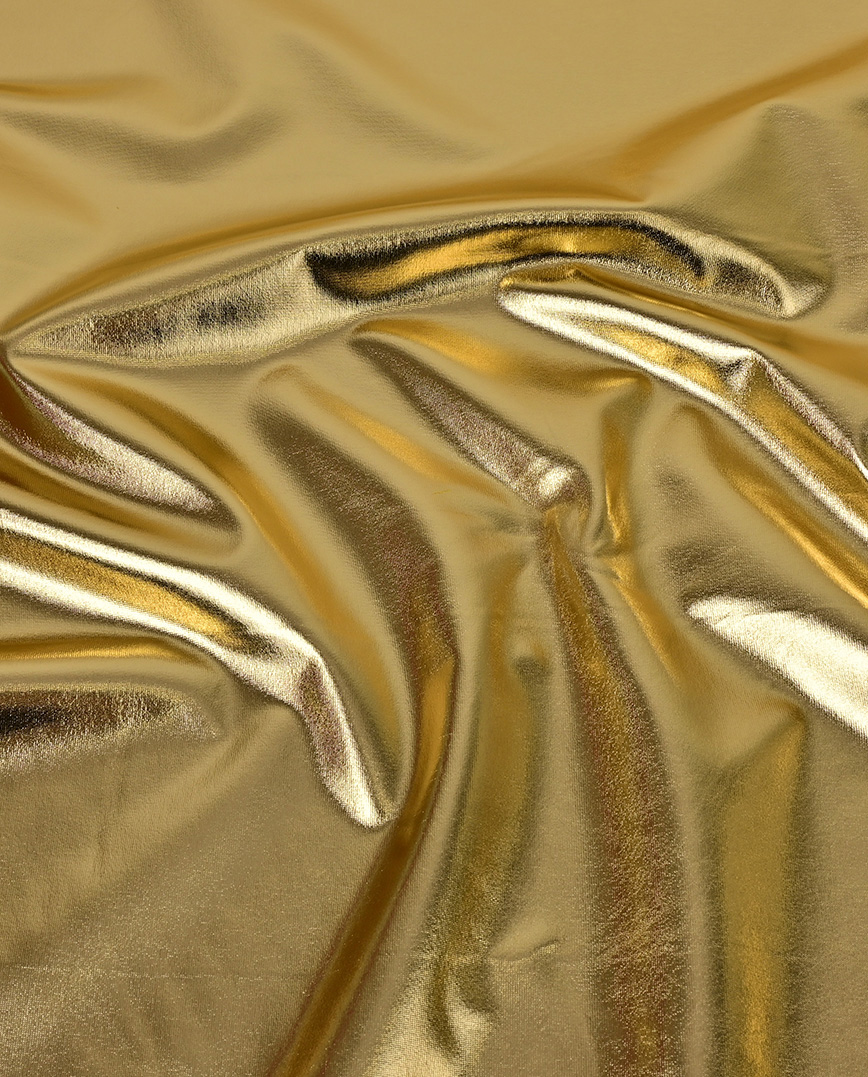
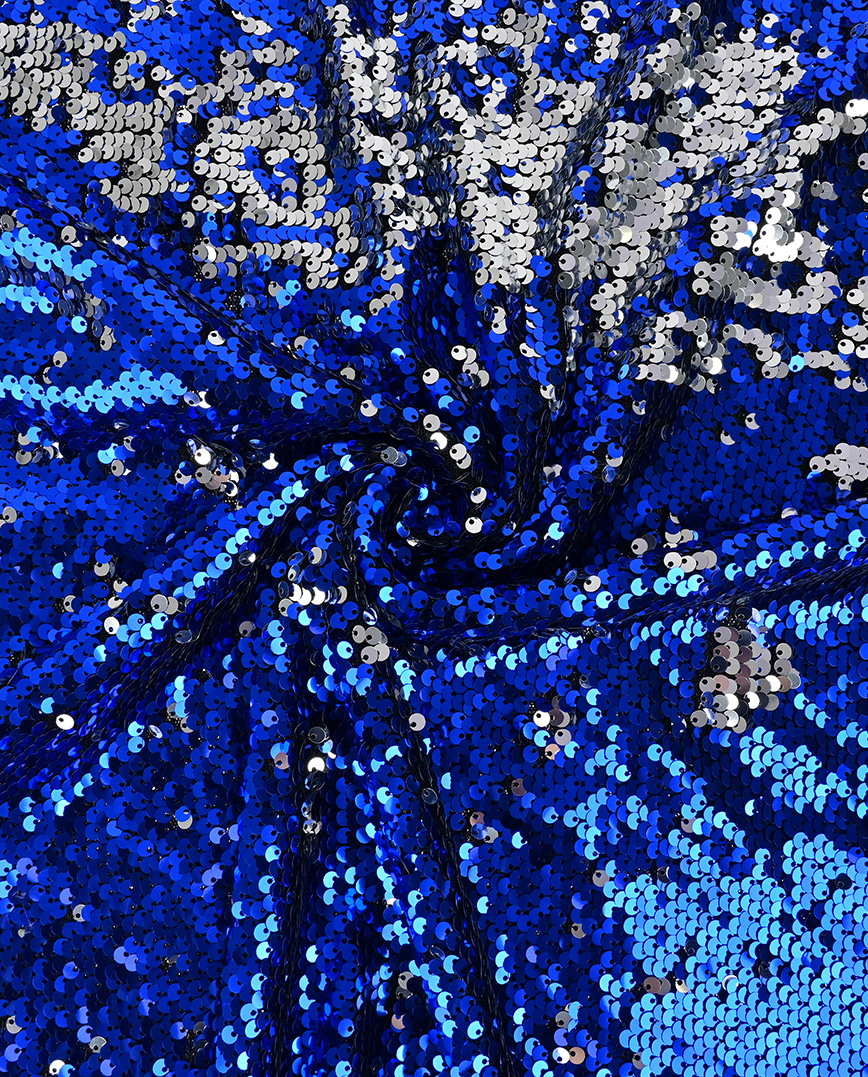
Lamé and sequin fabrics are not direct substitutes for satin, but they are useful alternatives when a festive, shiny or eye-catching appearance is the main priority.
Mutsaers Textiles uses cookies to improve your experience. By clicking “Accept”, you consent to the use of ALL the cookies. However you may visit Cookie Settings to provide a controlled consent.
Mutsaers TextilesAI Assistant
Search by:
How can I help? For example: I am looking for yellow jersey fabric.
 Custom fabrics
  Quantity discount
  Reorder easily