 Custom fabrics
  Quantity discount
  Reorder easily



Denim
Denim is a durable twill fabric best known for jeans. Its diagonal weave gives denim its characteristic appearance. It is available in lightweight, medium-weight and heavyweight qualities, both rigid and with stretch.
Shop the Collection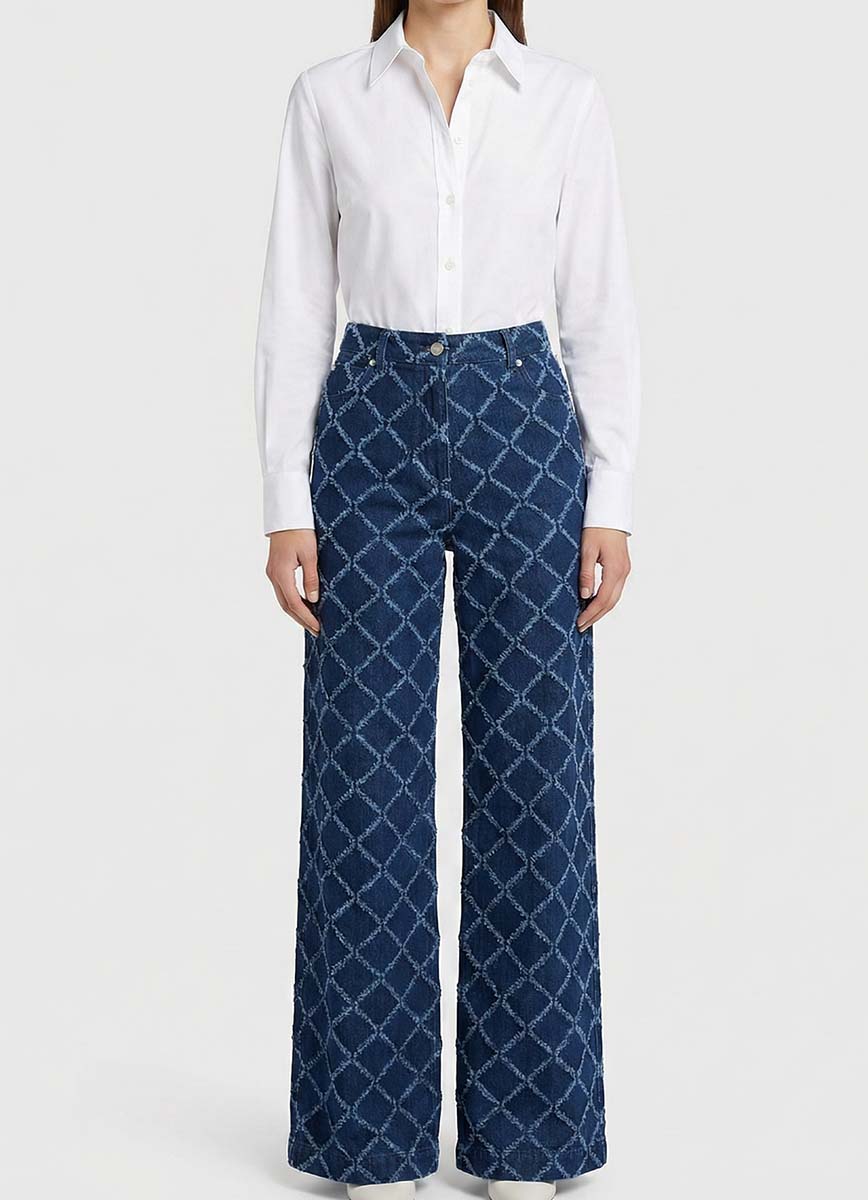
What is Denim?
Denim is a woven twill fabric, which creates the distinctive diagonal lines on its surface. Classic denim is often woven with coloured warp yarns and lighter weft yarns, so the face and reverse of the fabric can look different.
Not all denim is the same. Weight, fibre composition, stretch and finish determine how structured or flexible a quality feels and which applications it is best suited to.
Where does the name Denim come from?
The name denim is traced back to the French serge de Nîmes, meaning a serge-like fabric from the French city of Nîmes. The words de Nîmes eventually developed into the name denim. Today, the term is mainly used for the distinctive durable twill fabric associated with jeans and other garments.
Possible Variations
Always check the individual product specifications for the exact composition, width, weight, stretch, colour and care instructions.
What is Denim used for?
Choosing the right quality: pay particular attention to weight and stretch. Lighter denim has more drape and works well for dresses, skirts and shirts; heavier denim gives more structure to jeans, jackets and accessories. For close-fitting garments, stretch denim can provide greater freedom of movement.
Care Instructions



Sewing & Choosing
Similar Fabrics
These fabrics can be alternatives based on durability, structure or application, but each has its own properties and appearance.
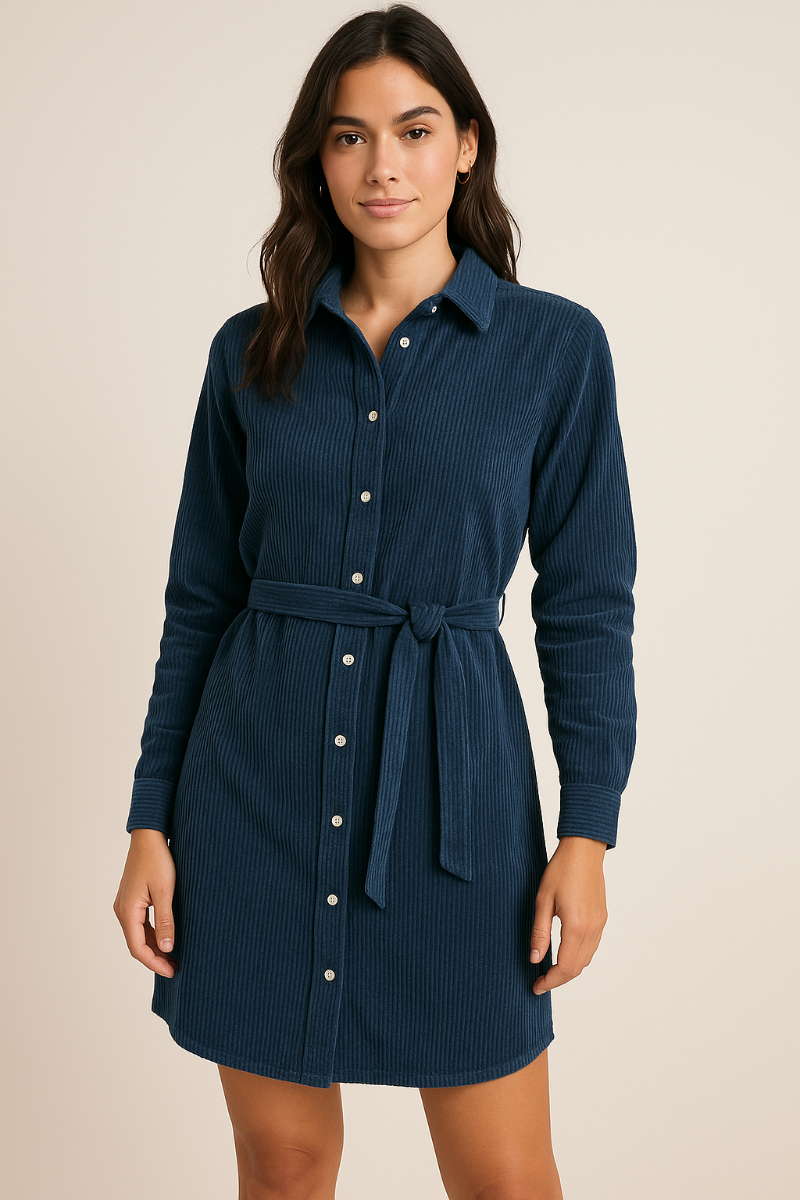
A durable clothing fabric with a soft pile and distinctive lengthwise wales.
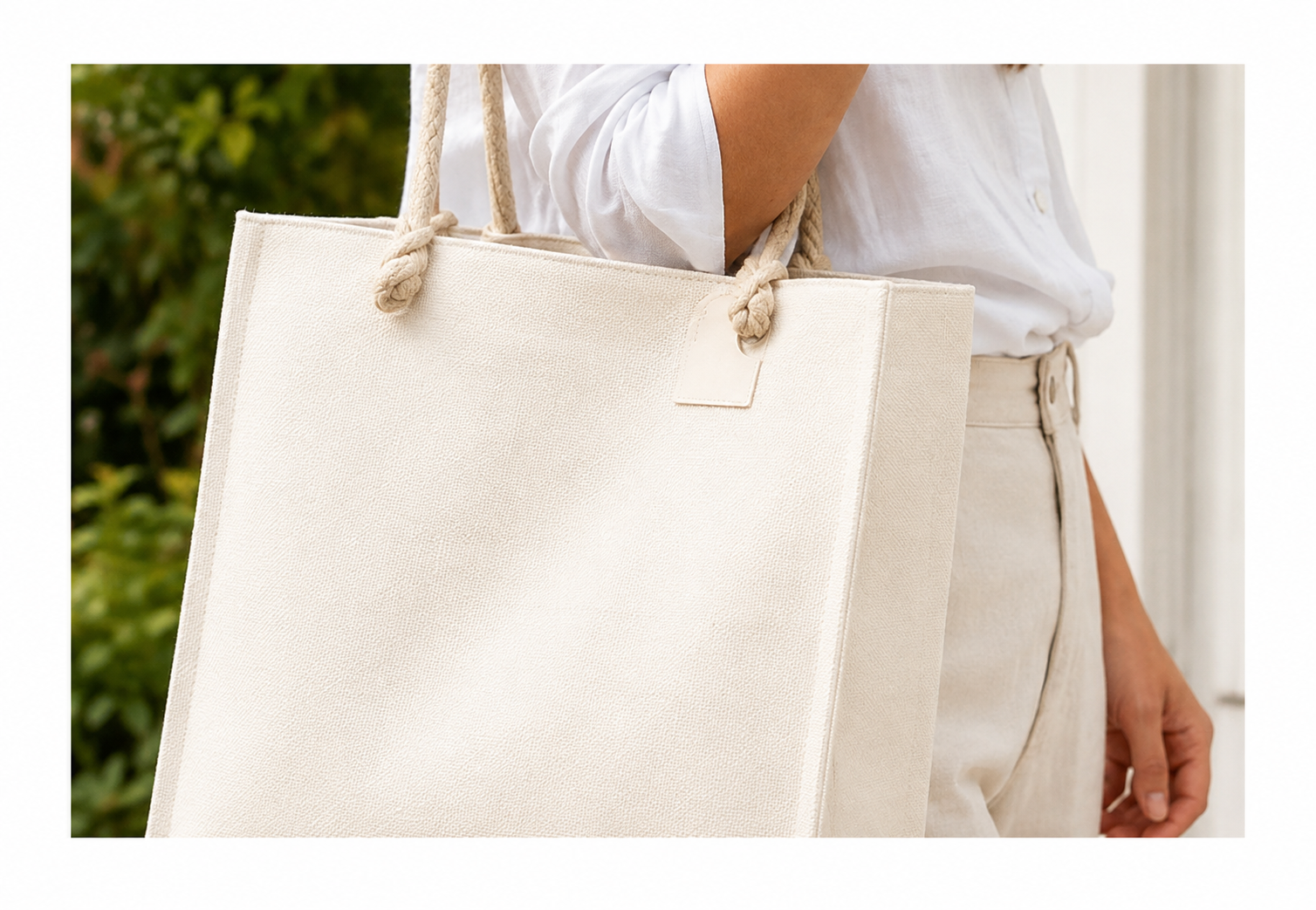
A robust woven alternative for accessories and projects where extra structure is required.
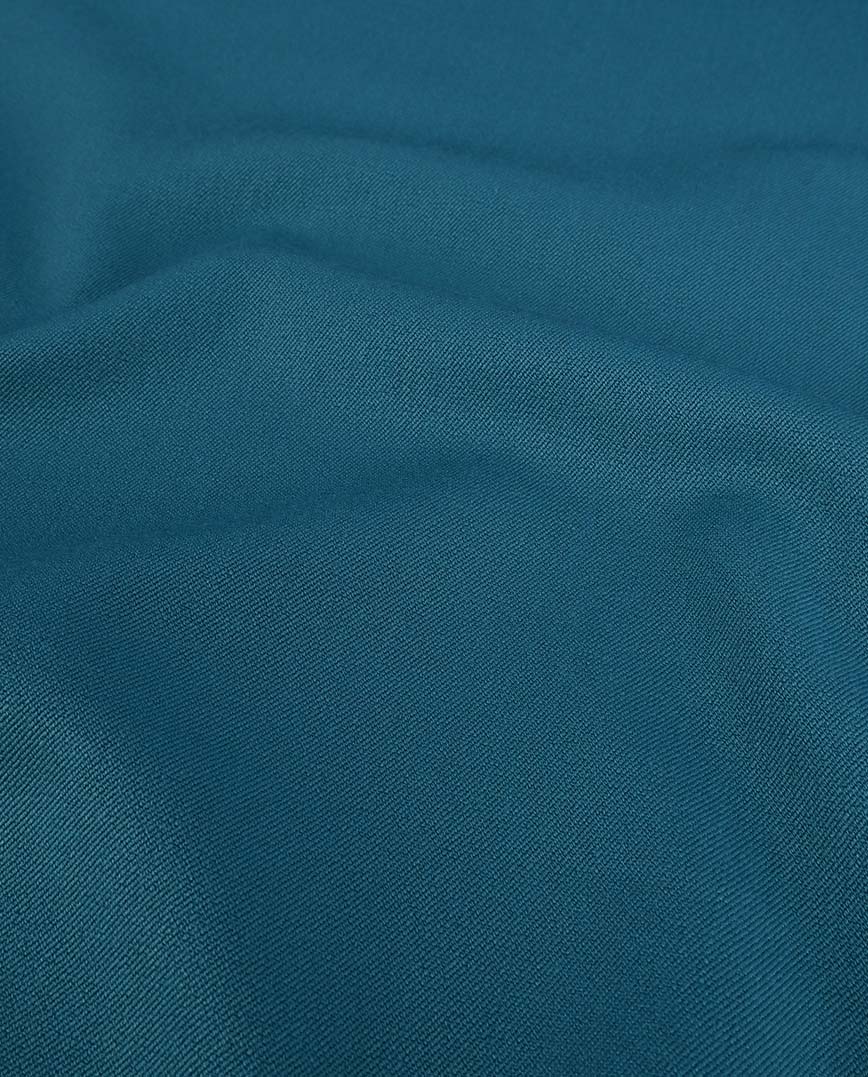
A soft clothing alternative with a wool-like appearance, suitable for trousers, skirts and jackets.
Denim FAQs
Is Denim the same as jeans fabric?
In Dutch, denim is commonly called spijkerstof. In English, the standard fabric name is denim.
Is Denim always stretchy?
No. Rigid denim has little to no stretch. Stretch denim usually contains an elastic component, giving the fabric more flexibility.
Should Denim be pre-washed?
For many cotton-rich denim qualities, pre-washing is recommended if the finished item will later be washed. This allows potential shrinkage and changes in appearance to occur before sewing.
What is the difference between Denim and Jeans?
Denim is the fabric. Jeans are the well-known trousers traditionally made from denim; denim is also used for many other garments and accessories.
Looking to Buy Denim?
Explore the available denim qualities, colours, weights and current product specifications.
Shop Denim
