 Custom fabrics
  Quantity discount
  Reorder easily



Corduroy
Corduroy is a woven pile fabric with distinctive lengthwise ribs, known as wales. It has a soft feel combined with a structured, characterful appearance. Depending on the wale width and quality, corduroy is used for trousers, skirts, dresses, shirts, jackets and accessories.
Shop the Collection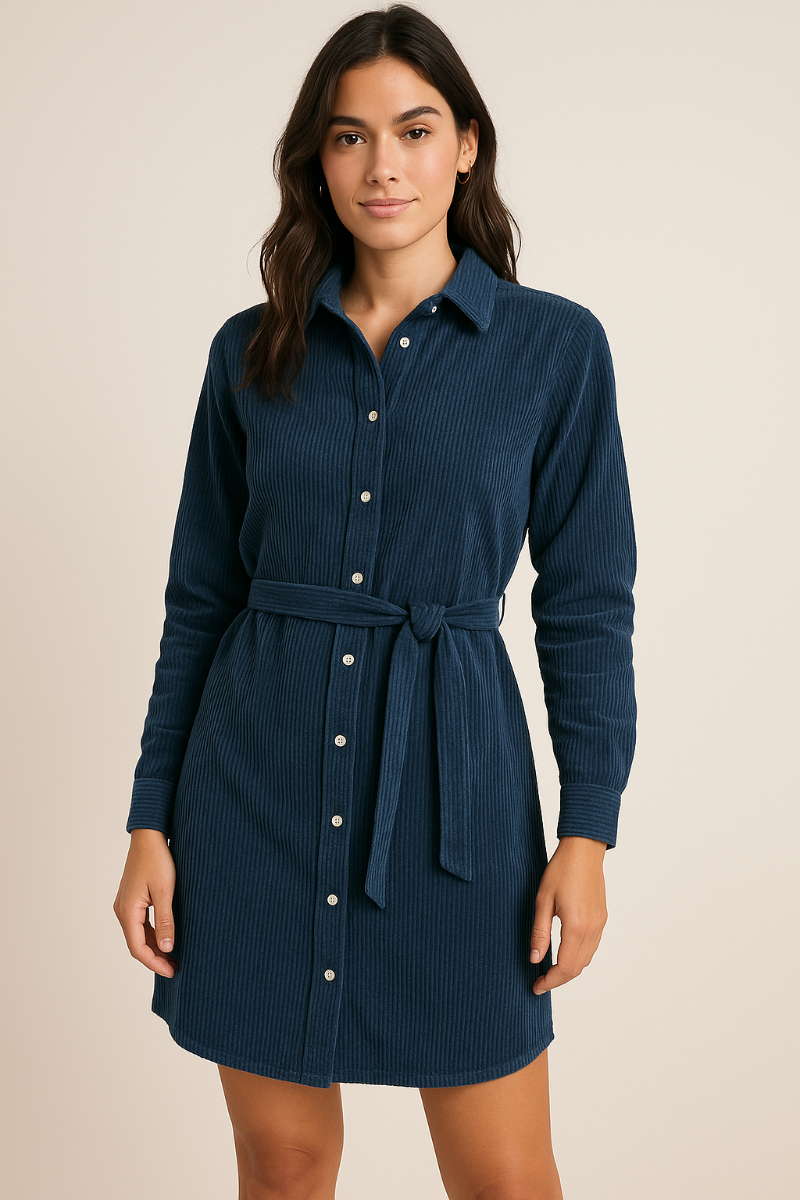
What is Corduroy?
Corduroy is a woven pile fabric with parallel ribs, known as wales. Extra pile yarns are woven into the fabric and cut to create its characteristic soft pile and ribbed texture.
The look and end use are strongly influenced by the width of the wales. Fine corduroy, such as needlecord or pinwale corduroy, has a subtler appearance and is often suitable for lighter garments. Wider wales create a bolder texture and are commonly chosen for trousers, jackets and more structured projects.
Where does the name Corduroy come from?
There is a persistent story that the name corduroy comes from the French phrase corde du roi, meaning “the king’s cord”. However, there is no solid historical evidence for this. The name is more likely derived from cord, referring to the ribbed rows, and duroy, an older English term for a coarse fabric.
Possible Variations
Always check the individual product specifications for the exact composition, width, weight, stretch, wale width and care instructions.
What is Corduroy used for?
Choosing the right quality:consider not only the colour, but especially the wale width, weight and stretch. Fine wales create a subtler and often softer result; wide wales make a stronger visual statement and are generally better suited to more structured garments and projects.
Care Instructions



Sewing & Choosing
Similar Fabrics
These fabrics can be used for similar garments or projects, but differ clearly in surface, structure and appearance.
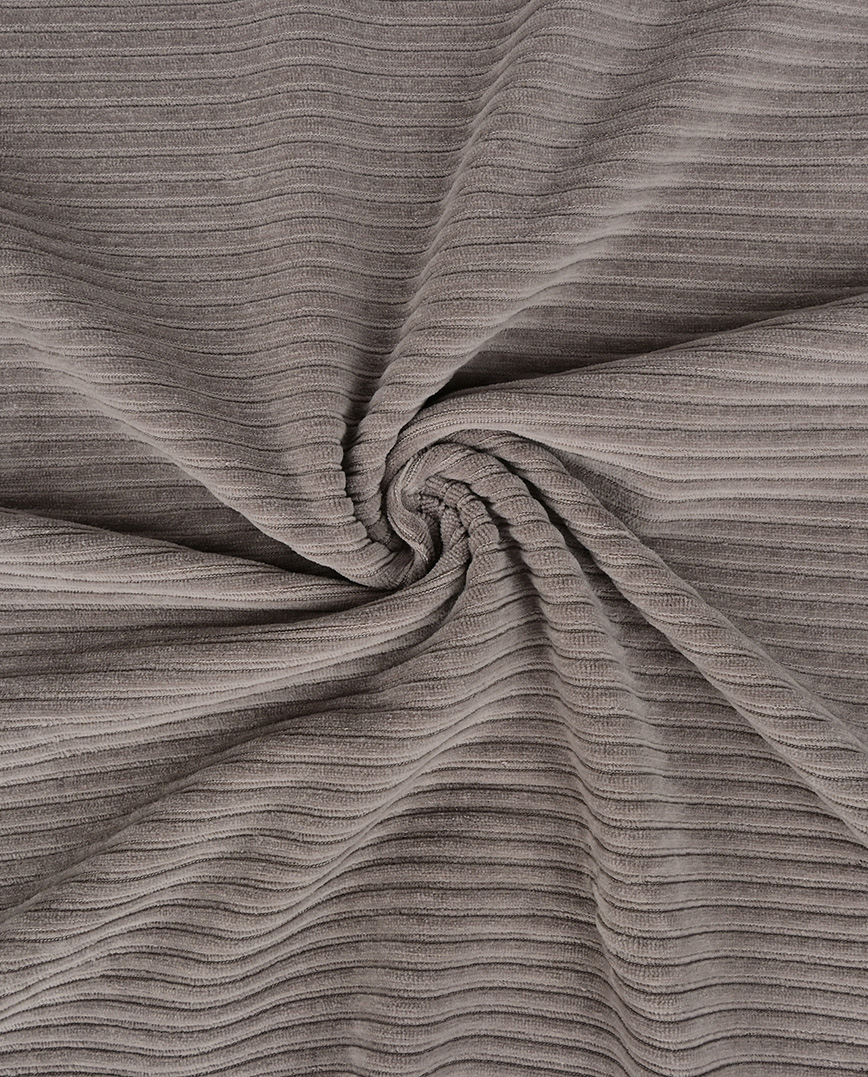
A soft, stretchy velour fabric with a fluid drape, suitable for comfortable clothing.

A sturdy alternative for trousers, skirts and jackets, but without corduroy’s soft pile or ribbed texture.
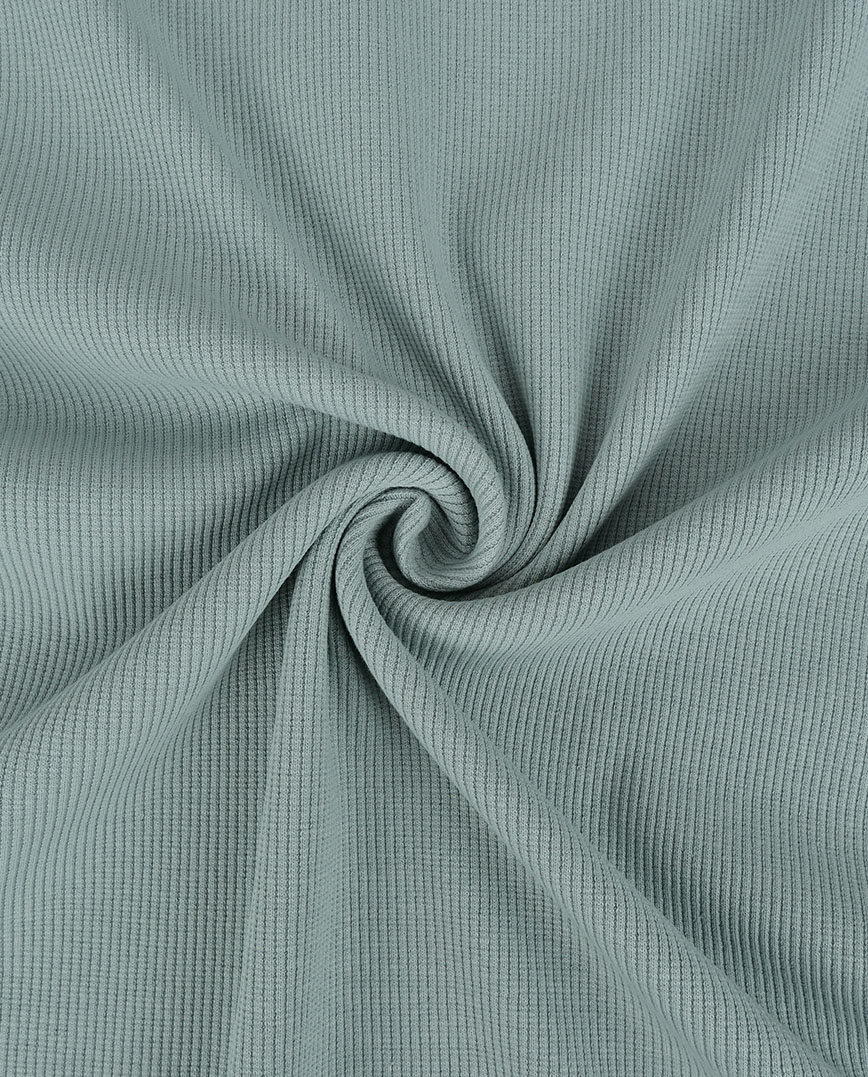
A stretchy knitted fabric with a ribbed texture, lighter and more elastic than corduroy.
Corduroy FAQs
Is Corduroy the same as rib velvet?
Corduroy is sometimes described as ribbed or corded velvet, but in English the standard and most widely used name is simply corduroy. It is recognised by its soft pile arranged in parallel wales.
Is Corduroy stretchy?
It varies by quality. Traditional corduroy may be stable, while stretch corduroy can contain elastane or another elastic component.
What does wale width mean in Corduroy?
The ribs are known as wales. The more wales per inch, the finer the texture; fewer wales per inch create wider, more pronounced ribs.
Should Corduroy be cut in one direction?
Yes. Corduroy has a nap or pile direction. Cut all pattern pieces in the same direction to avoid differences in colour and light reflection.
Looking to Buy Corduroy?
Explore the available corduroy qualities, wale widths, colours and current product specifications.
Shop Corduroy
