 Custom fabrics
  Quantity discount
  Reorder easily



Teddy Fabric
Teddy fabric is a soft, voluminous fabric with a fluffy or curly surface. It is widely used for coats, jackets, baby items, accessories and interior projects. Composition, weight, stretch and backing can vary considerably between qualities.
Shop the Collection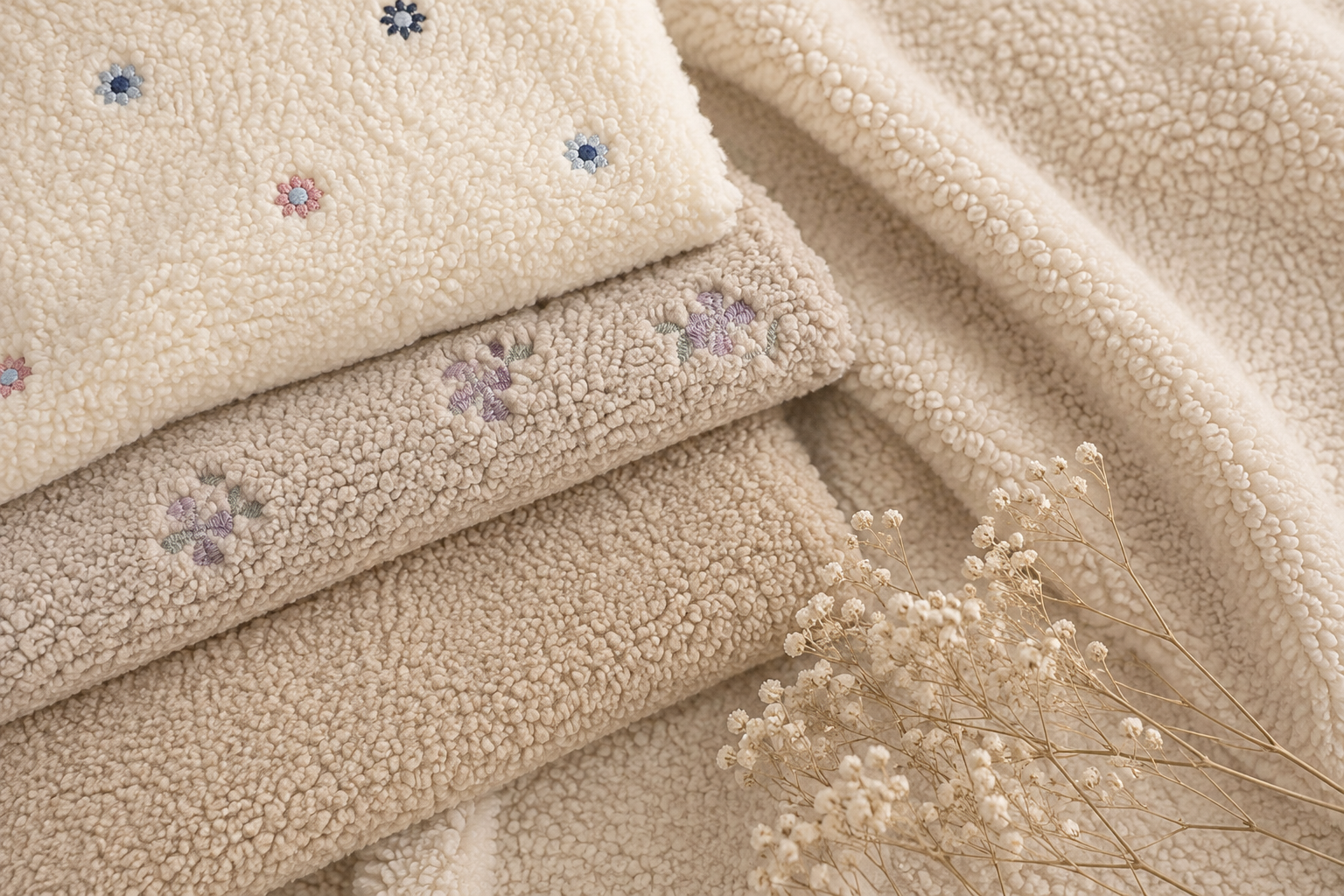
What is Teddy Fabric?
Teddy fabric is a group of fabrics recognised by a soft, voluminous surface with fine loops, larger curls or a fluffy pile. Its appearance is reminiscent of sheepskin and the soft exterior of a teddy bear. In the UK textile trade, teddy fleece is a common related term for soft, fluffy teddy-style fabrics. Sherpa fleece is also used for some thicker, sheep-like qualities. These terms are not completely interchangeable: construction, pile, backing and composition can vary between fabrics.
Teddy fabric does not have one fixed fibre composition. Qualities include 100% polyester teddy as well as cotton/polyester blends and other fibre combinations. The backing may also be knitted, woven or finished in another way. As a result, drape, warmth, stretch, weight and handling can vary considerably between products.
Where does the name Teddy come from?
The name teddy ultimately goes back to Theodore “Teddy” Roosevelt, President of the United States. During a bear hunt in Mississippi in 1902, Roosevelt refused to shoot a captured, tied bear because he considered it unsporting. The incident became widely known after cartoonist Clifford Berryman depicted it in a political cartoon.
The story inspired Morris and Rose Michtom to create a plush toy bear. With Roosevelt’s permission, it was sold as “Teddy’s Bear”. The teddy bear subsequently became known worldwide. The term teddy fabric refers to the soft, fluffy and often curly appearance reminiscent of a teddy bear.
Possible Variations
What is Teddy Fabric used for?
Care Instructions



Sewing & Choosing
Similar Fabrics
Fleece and Minky Fleece are useful alternatives when softness, warmth or a cosy appearance is the priority, although they differ noticeably in pile and volume.
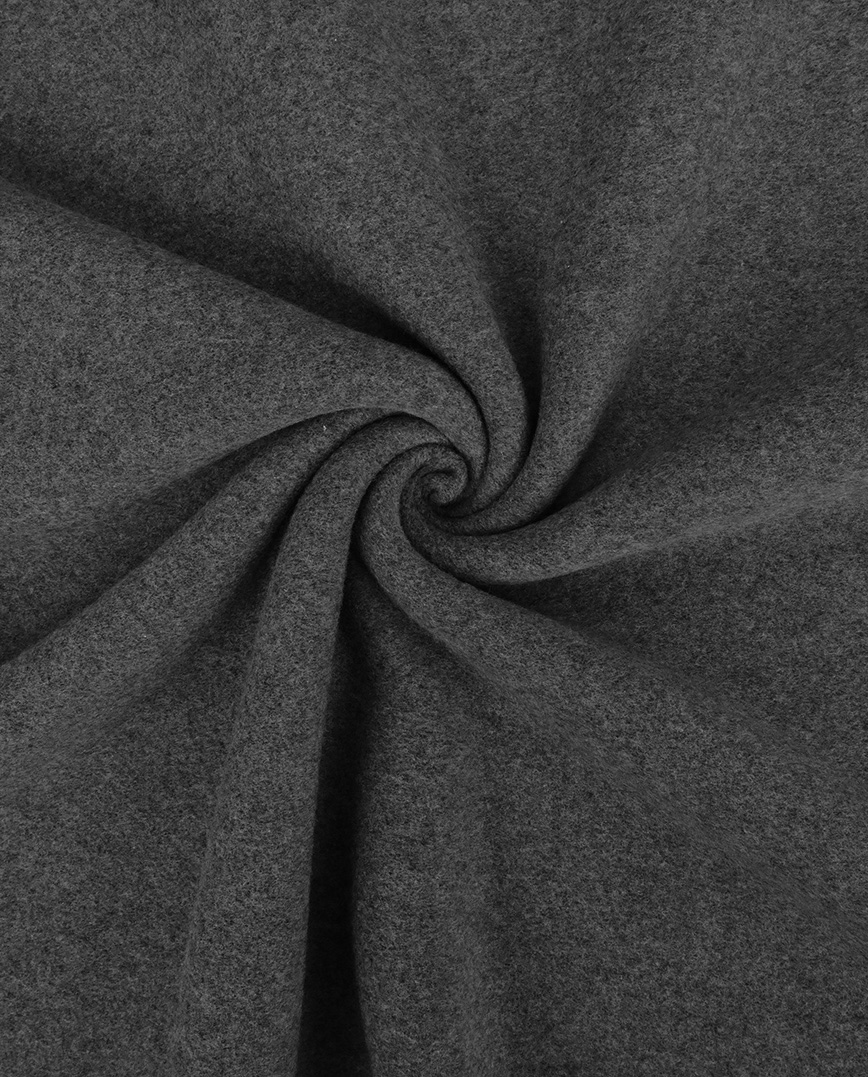
A soft, insulating fabric with a flatter, more brushed surface and generally less volume than teddy.
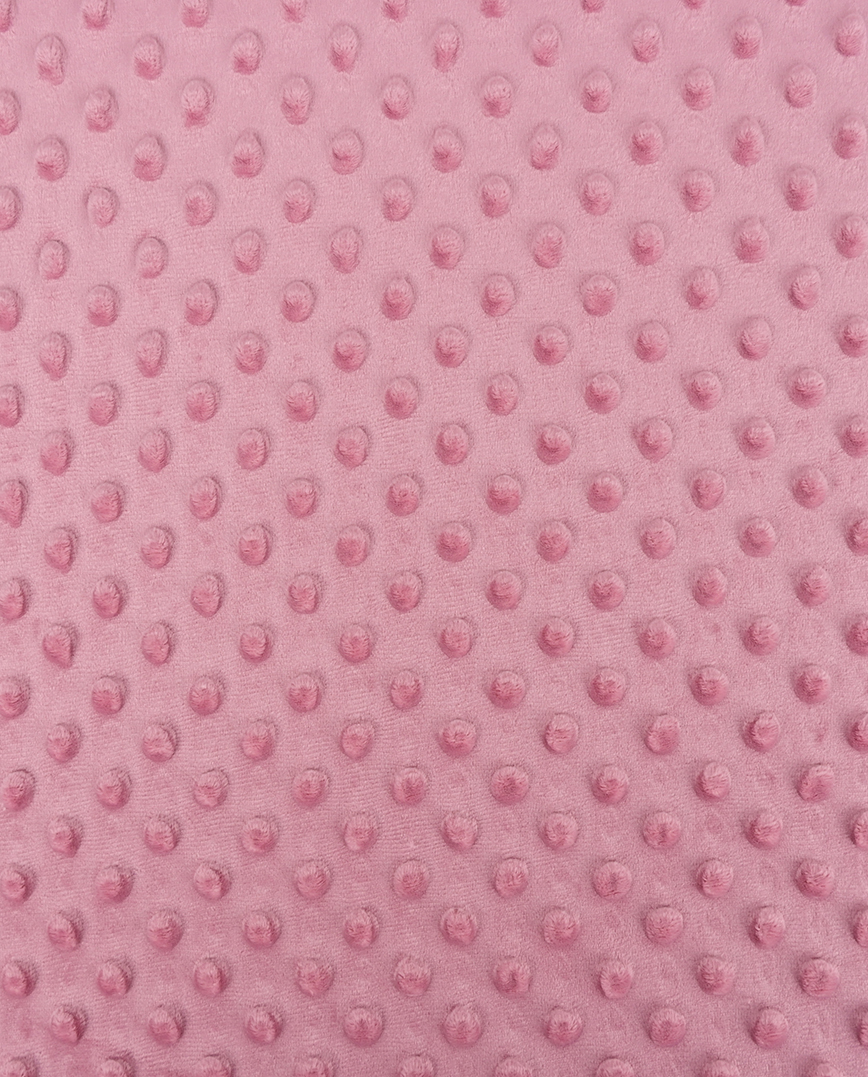
An exceptionally soft plush fabric with a shorter, smoother pile for baby items, blankets and soft accessories.
Teddy Fabric FAQs
What is Teddy Fabric?
Teddy fabric is a soft, voluminous fabric with a fluffy or curly surface. The exact construction and composition vary by quality.
Is Teddy Fabric always made from polyester?
No. 100% polyester teddy is common, but cotton/polyester teddy and other fibre blends are also available.
Is Teddy Fabric stretchy?
This varies by quality and backing. Some teddy fabrics are knitted and have noticeable give, while other versions are more stable.
Is Teddy Fabric the same as Teddy Fleece or Sherpa Fleece?
Teddy fleece is a common related term in the UK textile trade. Sherpa fleece is also used for some thicker, sheep-like qualities. These names are not exact synonyms for every teddy fabric, so always check the composition, construction, pile and backing of the individual product.
Looking to Buy Teddy Fabric?
Explore the available teddy fabric qualities, colours, textures and current product specifications.
Shop Teddy Fabric
